
day unforgettable jeep tour in the mysterious world of Tusheti
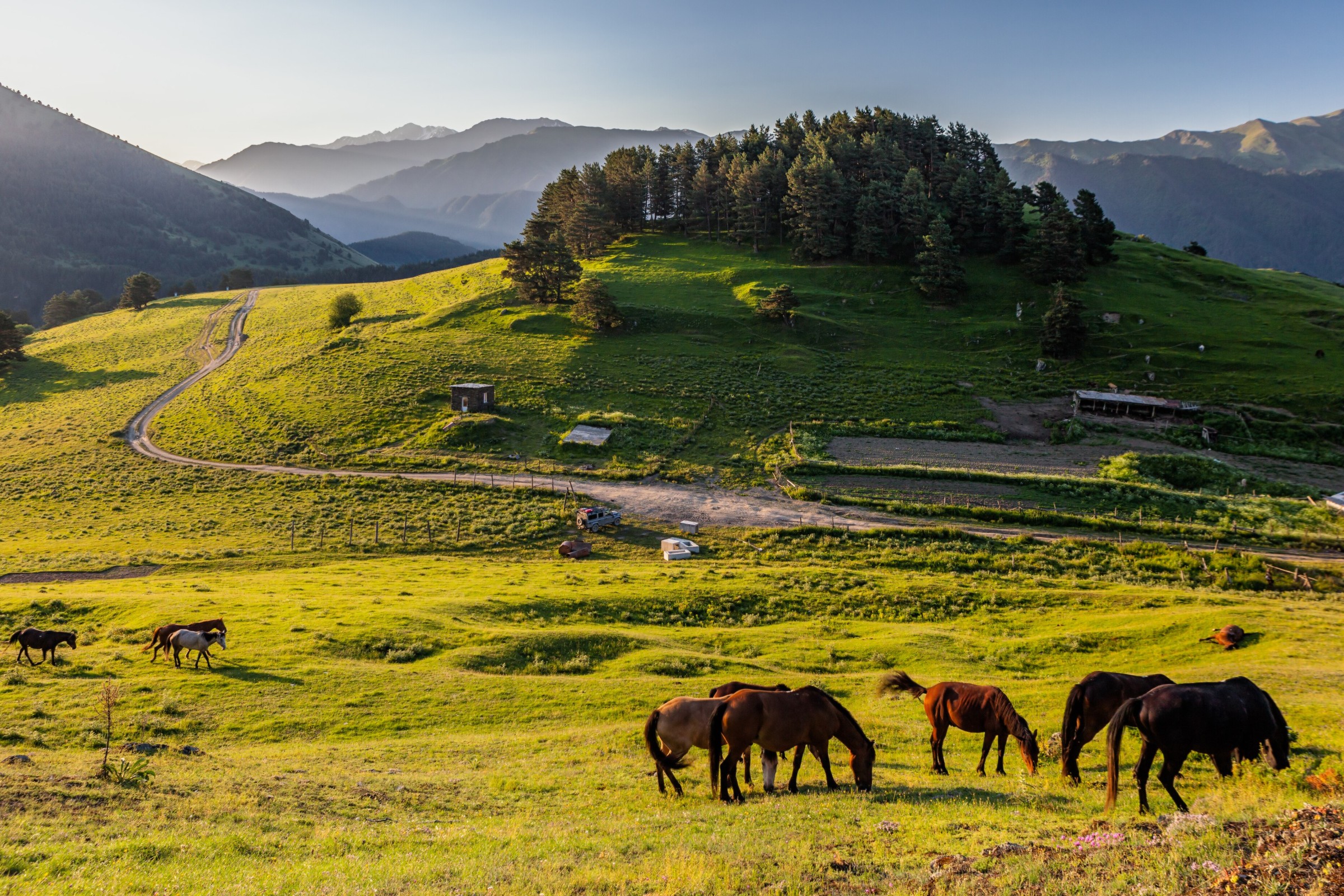
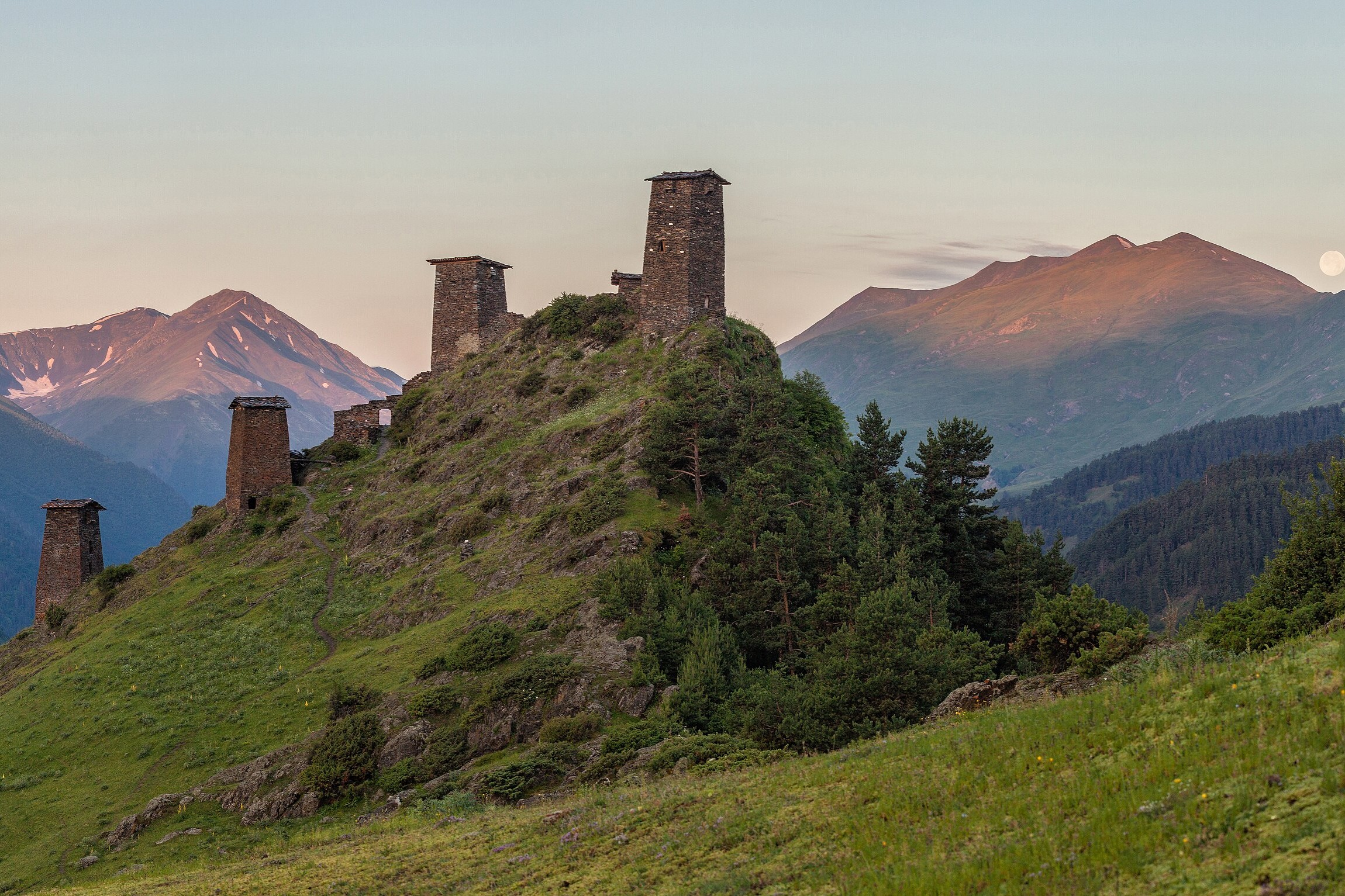
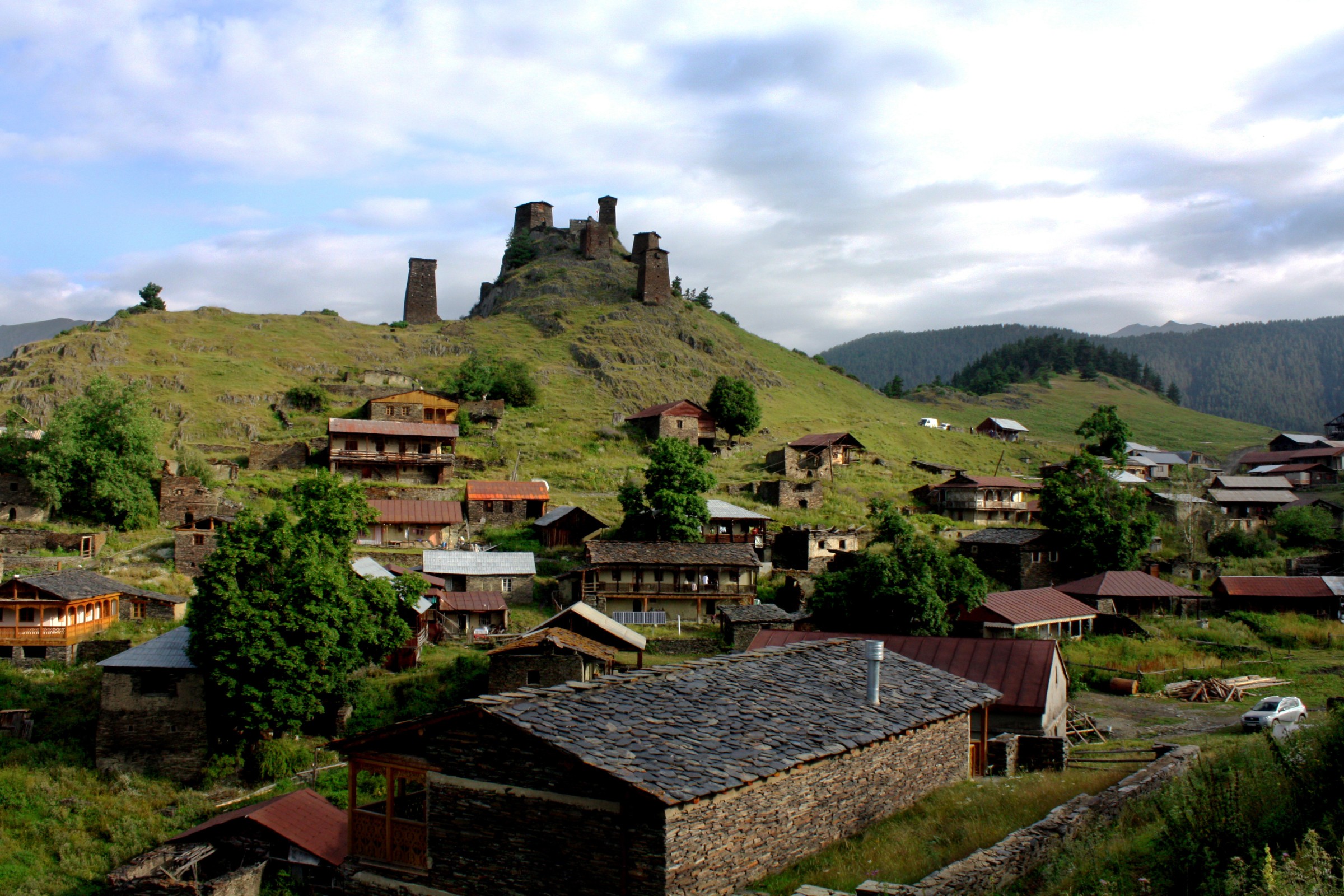
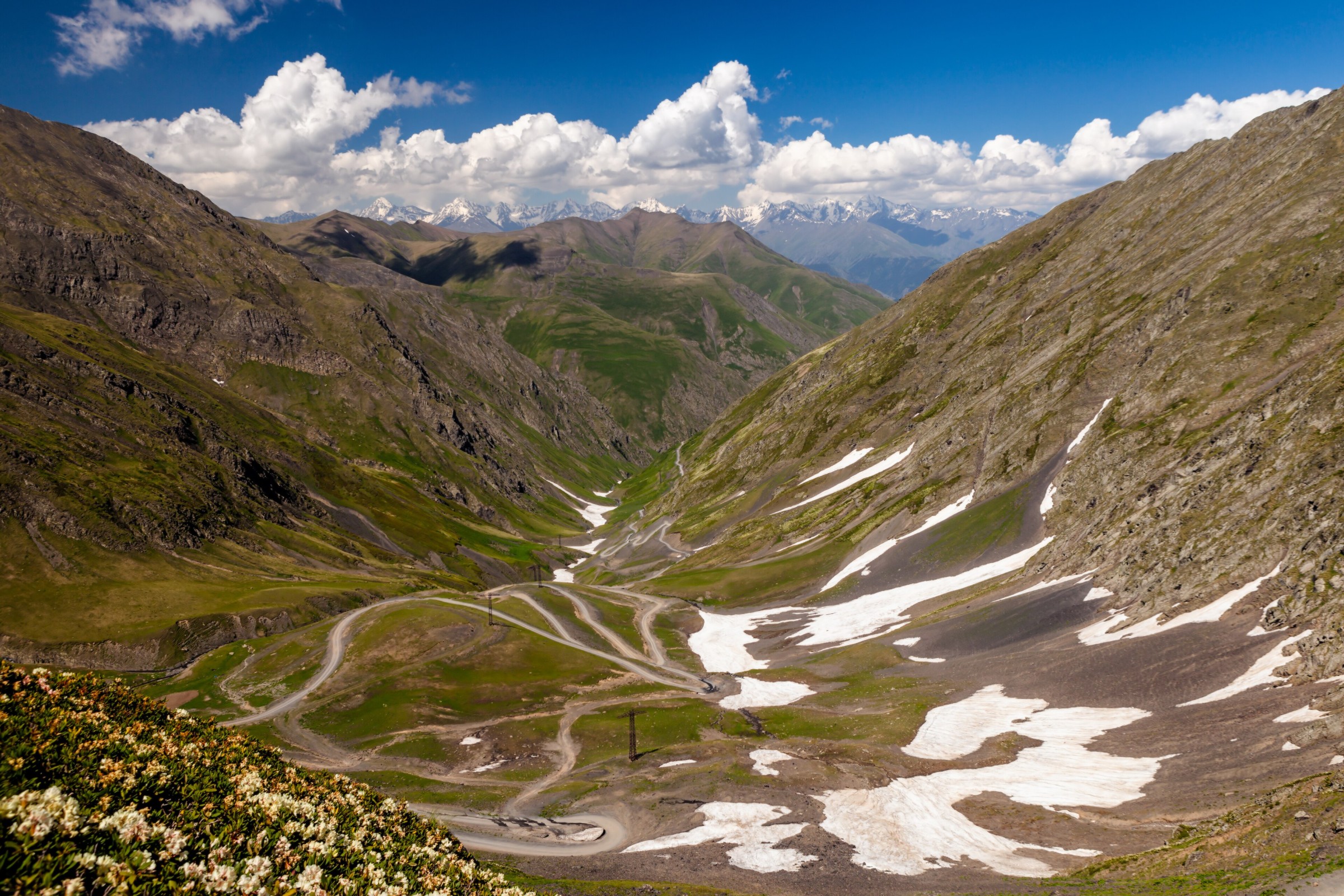
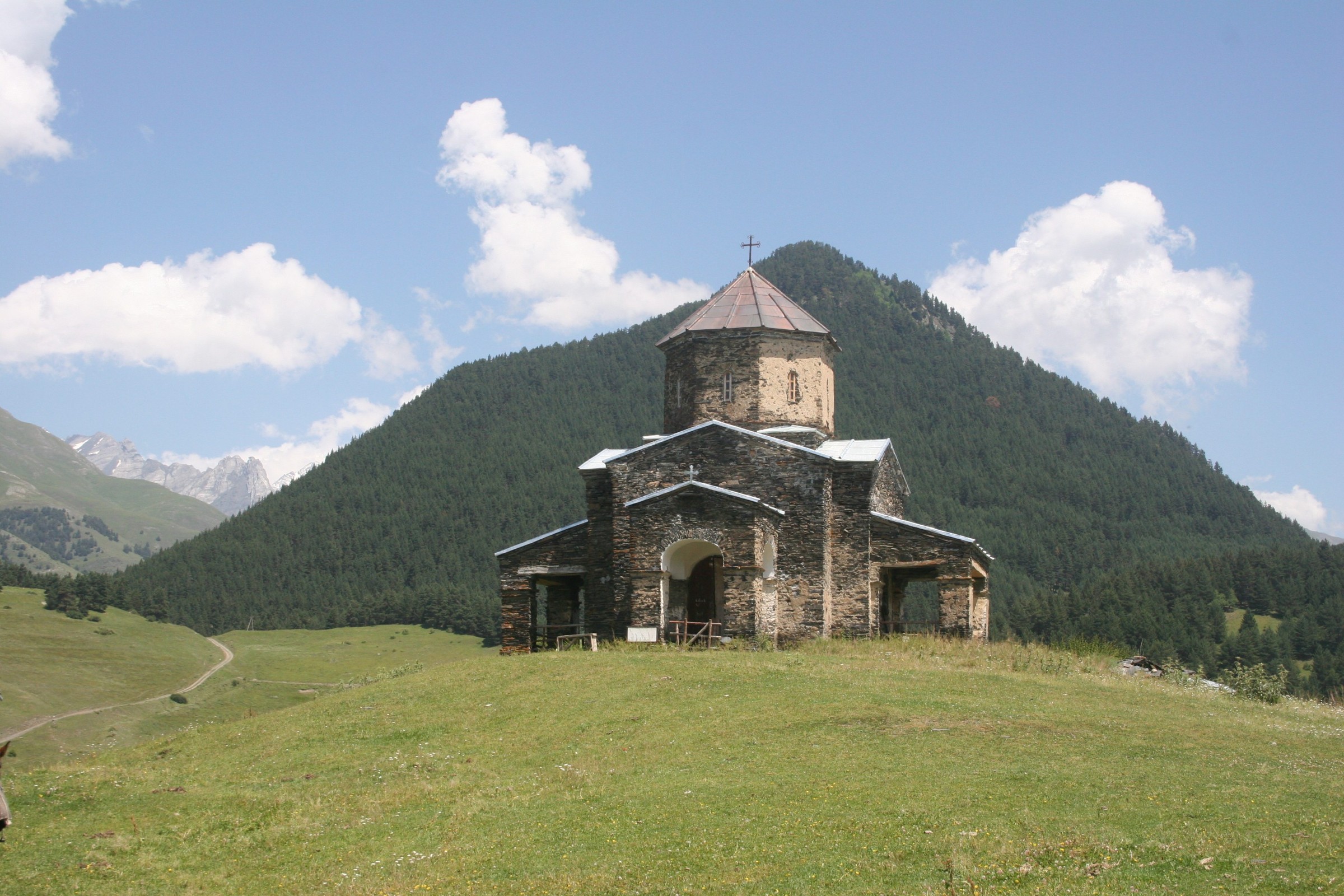
Photo: Moahim · CC BY-SA 4.0; Moahim · CC BY-SA 4.0; Abramia Giorgi · CC BY-SA 4.0 · Wikimedia Commons
What's included
- Meal
- Transfer
- Guide service
- სასტუმროში განთავსება
- Airtickets
- Museum Tickets
- Travel insurance
- Concert tickets
- Hand Luggage
- Checked-in Bag
About the tour
We are offering a three-day unforgettable Jeep tour of one of the most beautiful historic region in northeast Georgia - Tusheti.
(Mob: ; ; Suliko)
Tour cost:
1 person overnight stay in a family hotel with 2 meals a day.
1 person overnight stay in a family hotel without food.
Important information:
The tour will take place every Friday (seats are booked in advance) In case of full booking, the tour can take place on any day of the week.
Meeting place:
Tbilisi: Rustaveli Square (in front of the bicycle) 6:30 p.m.
Tour duration:
3 days - 2 nights.
Monday-Tuesday-Wednesday.
Friday-Saturday-Sunday.
Tour plan:
Day 1:
In the morning at 06:30 the tour will gather in front of the bicycle on Rustaveli St. and leave for Tusheti via Gombori Pass.
We will visit:
Alaverdi Church in Kakheti.
Abano Pass (2950 m above sea level).
The village of Omalo.
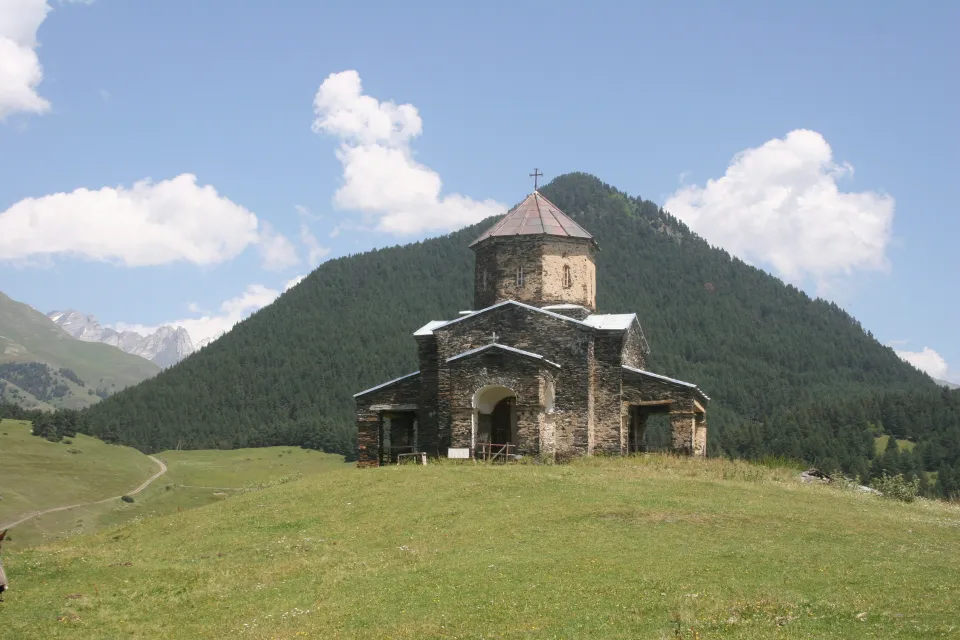
The village of Shenako.
The village of Diklo.
We return to Omalo (dinner overnight at the hotel).
Day 2:
Breakfast.
We will visit
The Pirikiti valley.
The village of Dartlo.
The village of Kvavlo.
The village of Dano.
The village of Chesho.
The village of Farsma.
We return to Omalo from Pirikiti valley.
Omalo (Dinner overnight at the hotel).
Day 3:
Breakfast.
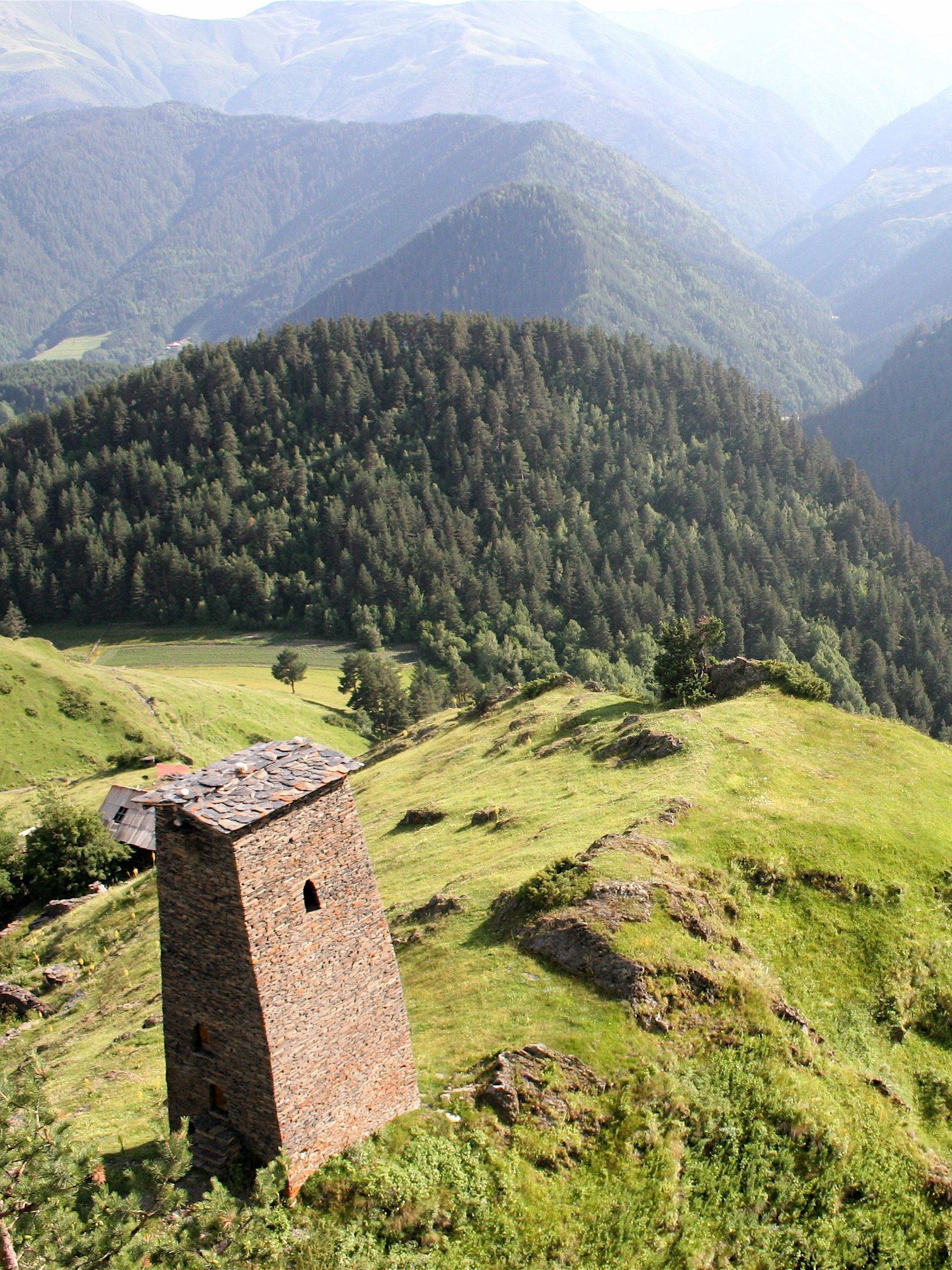
The towers of Omalo Keselo.
The village of Bochorna is the highest in Europe. Settlement point (2345 m above sea level).
The village of Dochu.
Return to Tbilisi.
End of the tour.
The tour price includes:
Tour planning-coordination-implementation transportation.
Experienced driver – tour guide.
High quality of service!
Transportation:
During the tour you will travel in 8-seater Mitsubishi Delica SUVs.
Required outfit:
Comfortable shoes; sunglasses, sunscreen; Women should bring a hat and something to cover up (long/big scarf)
Factors to consider:
It is forbidden to bring and eat pork in Tusheti!
Smoking and drinking alcohol are prohibited in the car!
Do not pollute the environment!
Contact us:
Mob: ; ; Suliko
Additional information:
Tour period: from spring to autumn
— the tours we offer
A Tusheti tour usually lasts 3–5 days: a jeep with driver from Tbilisi or Alvani, guesthouse nights with meals and, if you like, a guide and horses for hiking. We will match your dates to the pass season.
When to go
July–August is best: 20–24° by day, 8–12° at night, with trails and passes open; Tushetoba is held in Omalo in August.
June and September are quieter, but the weather is changeable and there may be snow on the pass.
The Abano road usually opens in late May or June and closes in October; in winter Tusheti is cut off and almost no one stays in the villages.
What to see
- Omalo and Keselo fortress — Tusheti's main village and restored defensive towers above Upper Omalo
- Dartlo — a village of slate houses and towers in the Pirikiti Alazani valley
- Shenako — a village with a 19th-century Holy Trinity church and valley views
- Diklo — a fortress on a cliff edge near the Dagestan border
- Parsma and Girevi — remote Pirikiti villages and the starting point for treks to Khevsureti
- Tusheti National Park — alpine meadows, pine forest and multi-day hiking routes
Getting there
From Tbilisi to Pshaveli via Akhmeta is about 140 km (2.5 hours), then another 70–72 km and 4–5 hours by 4x4 to Omalo. In summer shared jeep taxis run from Alvani and Telavi; we only recommend driving yourself if you have mountain-road experience.
Practical information
Road: only by high-clearance vehicle with an experienced driver; a dirt road above sheer drops that climbs to almost 2,900 m at the Abano pass.
Where to stay: family guesthouses in Omalo, Dartlo and Shenako, some next to the towers.
What to pack: warm clothes, a rain jacket, hiking boots, medicine and cash — there are no ATMs.
Connectivity: signal in Omalo and some villages, often none on the trails.