
Photo: Giorgi Abdaladze · CC BY-SA 4.0; Neide18701 · CC BY-SA 4.0; Alsandro · CC BY-SA 3.0 · Wikimedia Commons
What's included
- Meal
- Airtickets
- Transfer
- Museum Tickets
- Guide service
- Travel insurance
- Concert tickets
- Hand Luggage
- Checked-in Bag
- სასტუმროში განთავსება
Chkhorotsqu — the tours we offer
We usually add Chkhorotsku to a Samegrelo route — Martvili, Zugdidi, Nokalakevi — or use it as the start of the Tobavarchkhili hike. We will plan transport, a guide and overnight stays around your dates.
When to go
For the town and churches, May–June and September–October are best, 20–26°.
July–August is hot and humid, up to 30° — head for the mountains: the Tobavarchkhili hike is usually possible from July to September.
Winter is mild but rainy; snow lies on the Egrisi range until May.
What to see
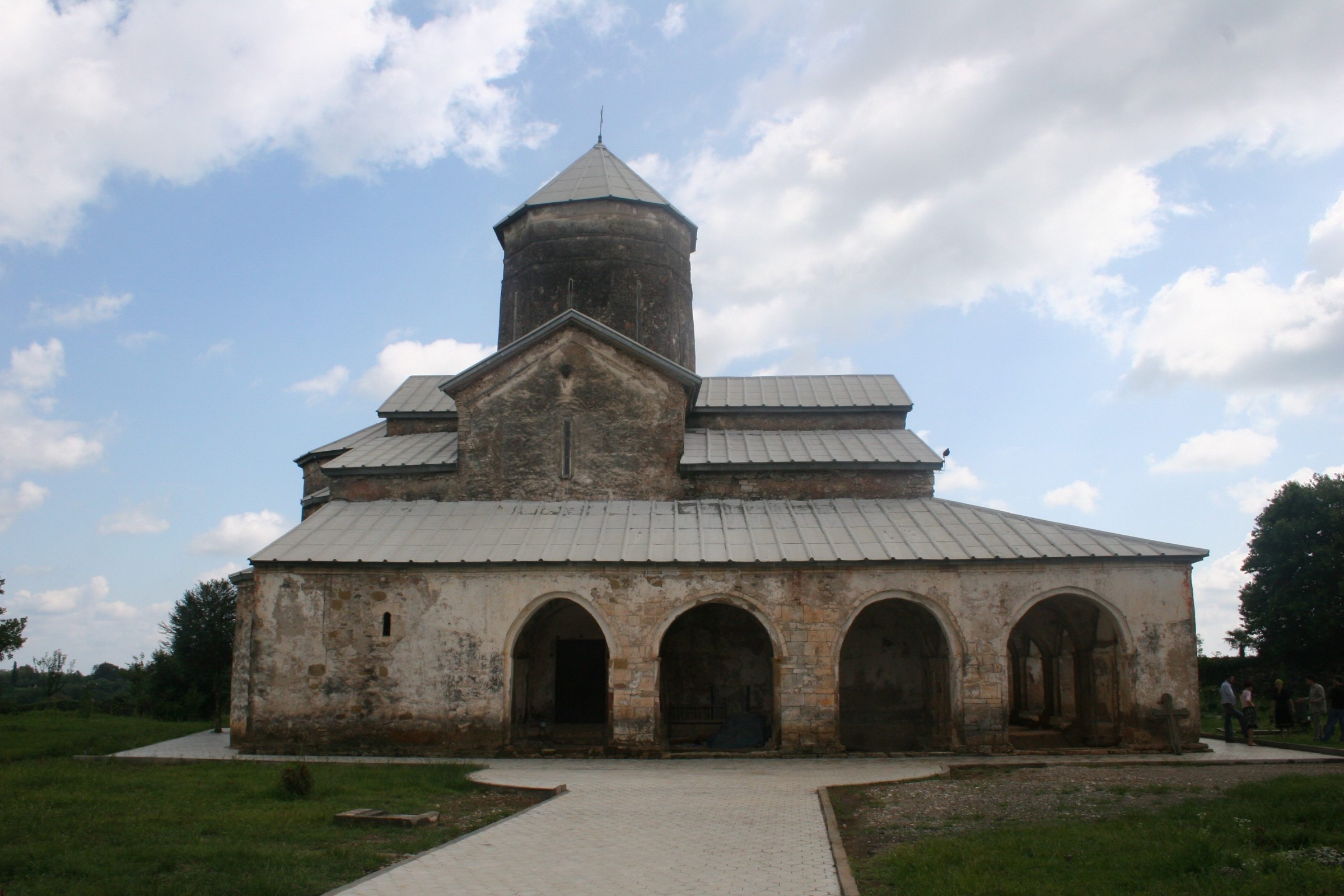
- Otsindale St George Church — a medieval church in Taia village, one of the few such monuments that survive in Samegrelo
- Tobavarchkhili — the 'silver lakes' on the Egrisi range at about 2,600 m; the hike starts in Mukhuri village
- Akaki Khorava House Museum — the birthplace of the great actor in Ochkhomuri village
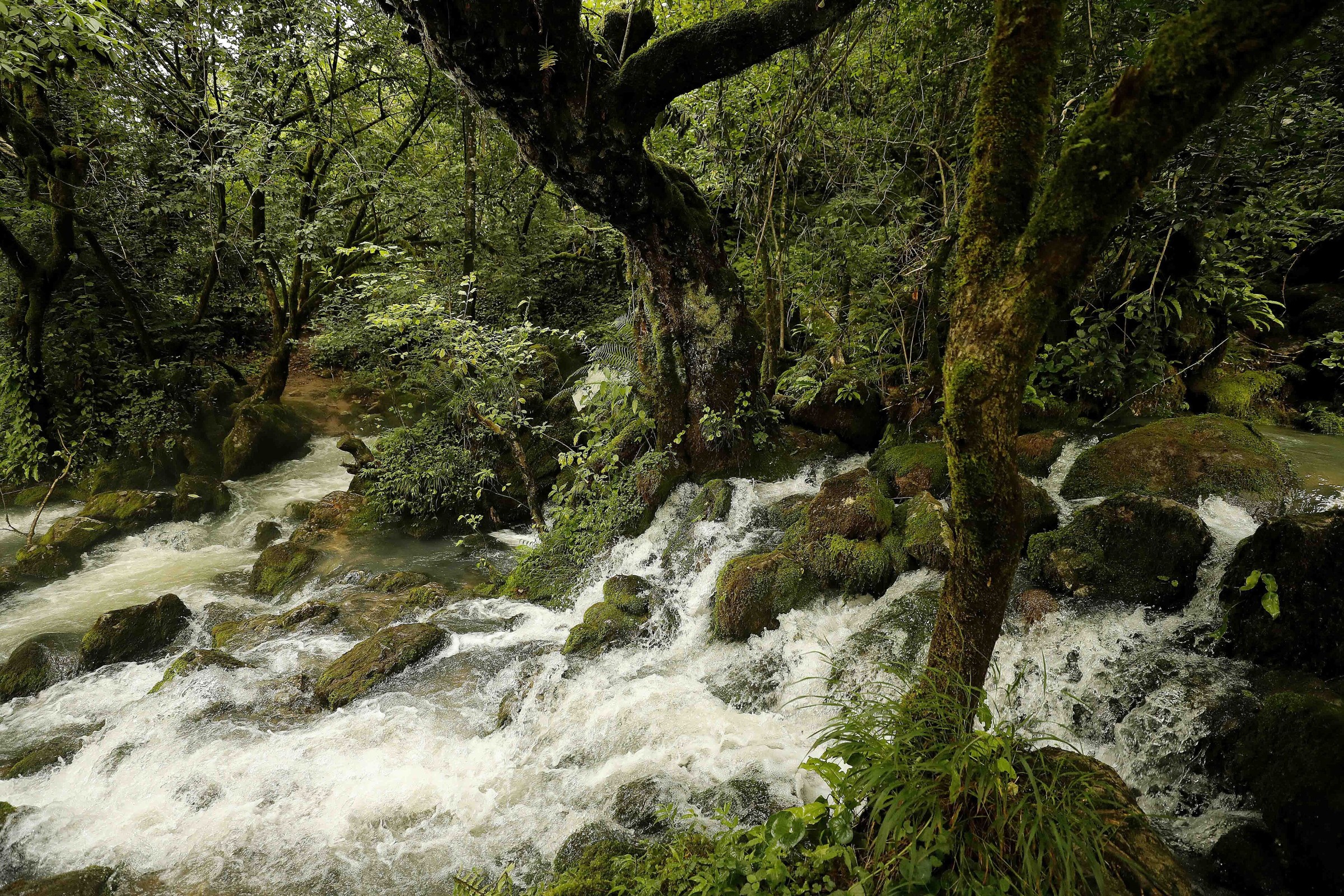
- Khobistskali valley — the river by the town with pebble banks where locals swim in summer
- Chkhorotsku Local History Museum — local archaeology and ethnography
Getting there
By car it is about 300 km from Tbilisi via Senaki (4.5–5 hours). By public transport, people usually take a train or minibus to Senaki or Zugdidi and continue by local minibus.
Practical information
Road: from Tbilisi along the Zugdidi highway to Senaki, then via Nokalakevi to Chkhorotsku.
Where to stay: a few family guesthouses in town and villages; more choice in Zugdidi and Martvili.
What to pack: mosquito repellent in summer; warm clothes and hiking boots for the mountains.
Connectivity: good internet in town, almost none in the mountains.