
Ethno tour Svaneti
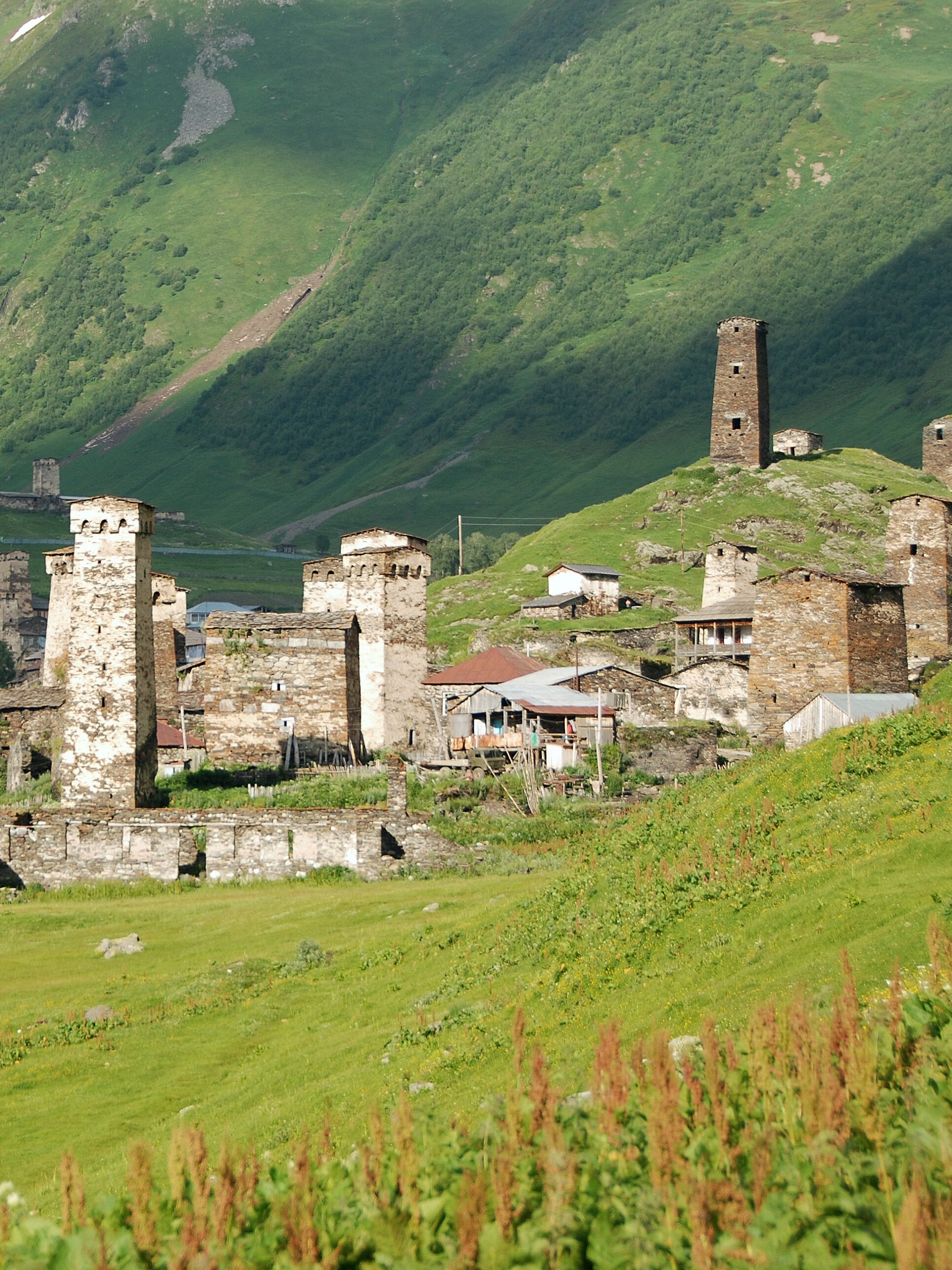
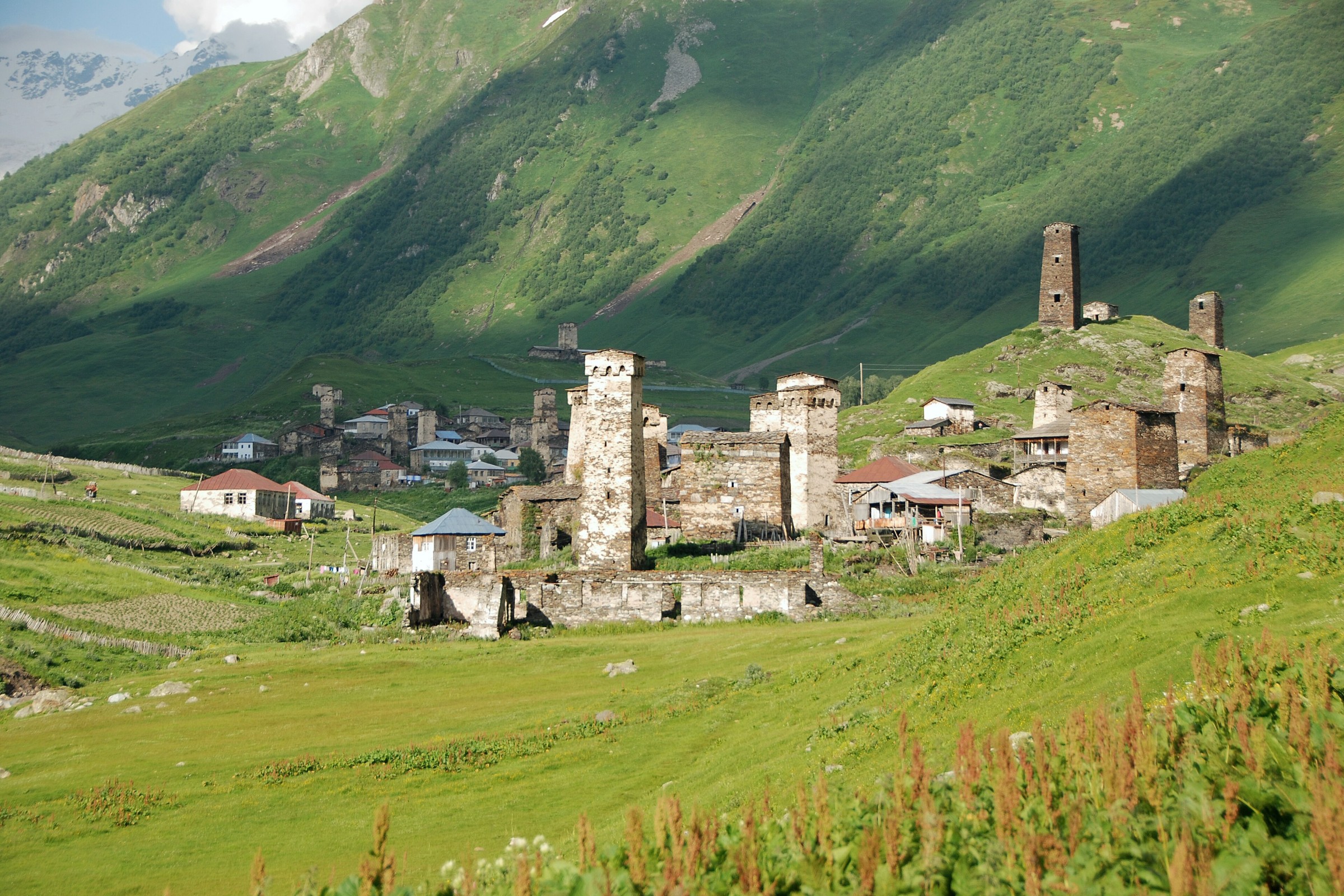
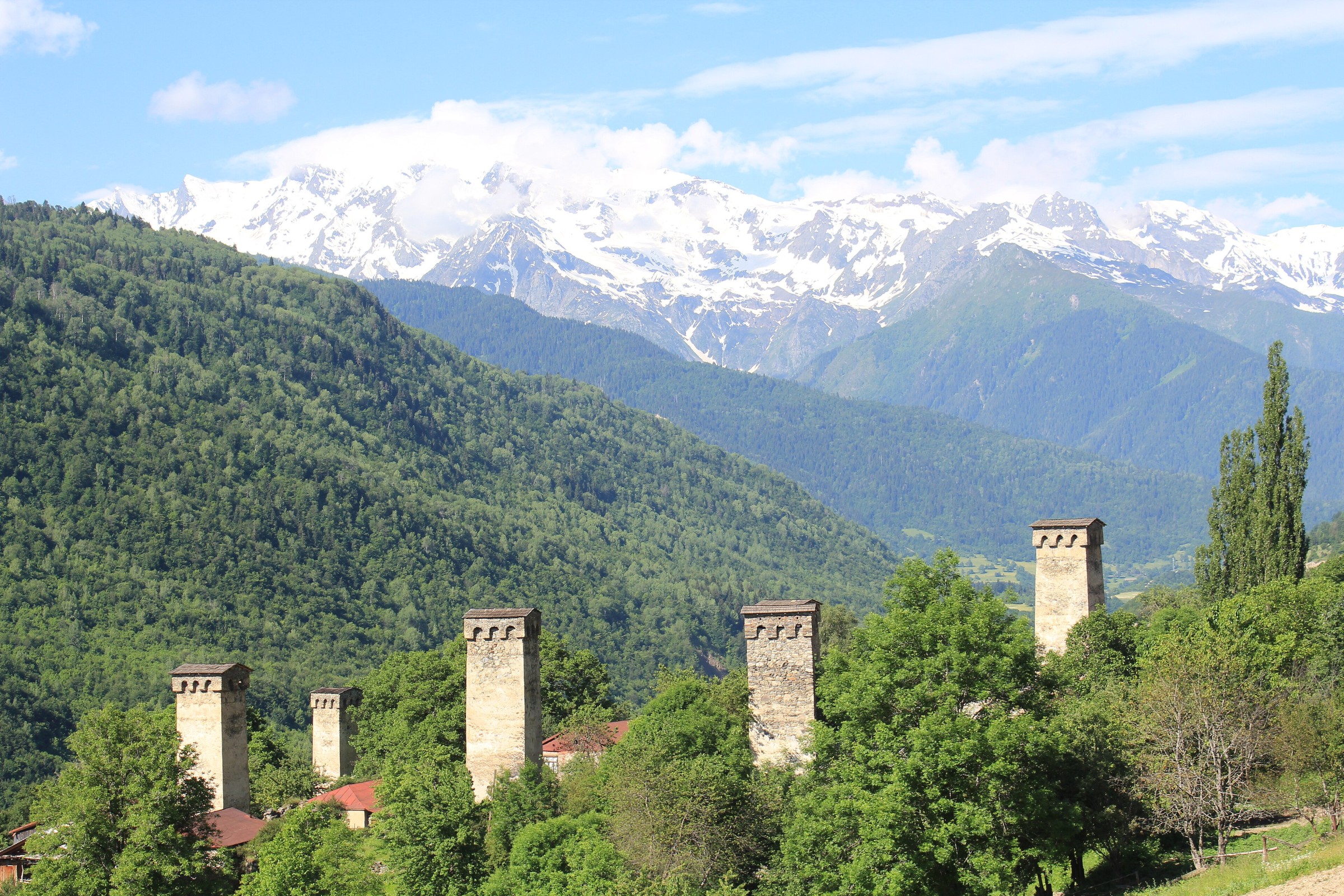
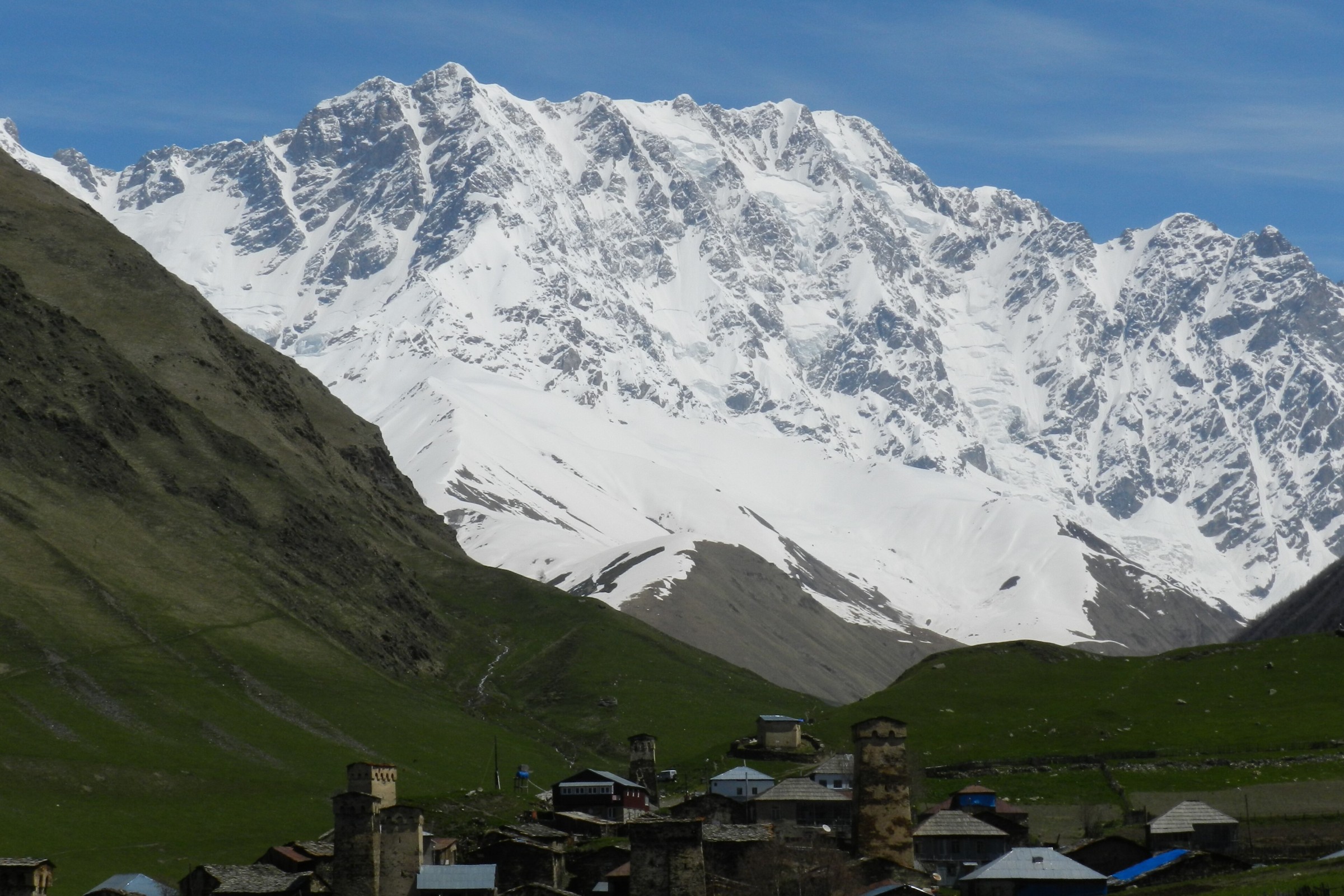
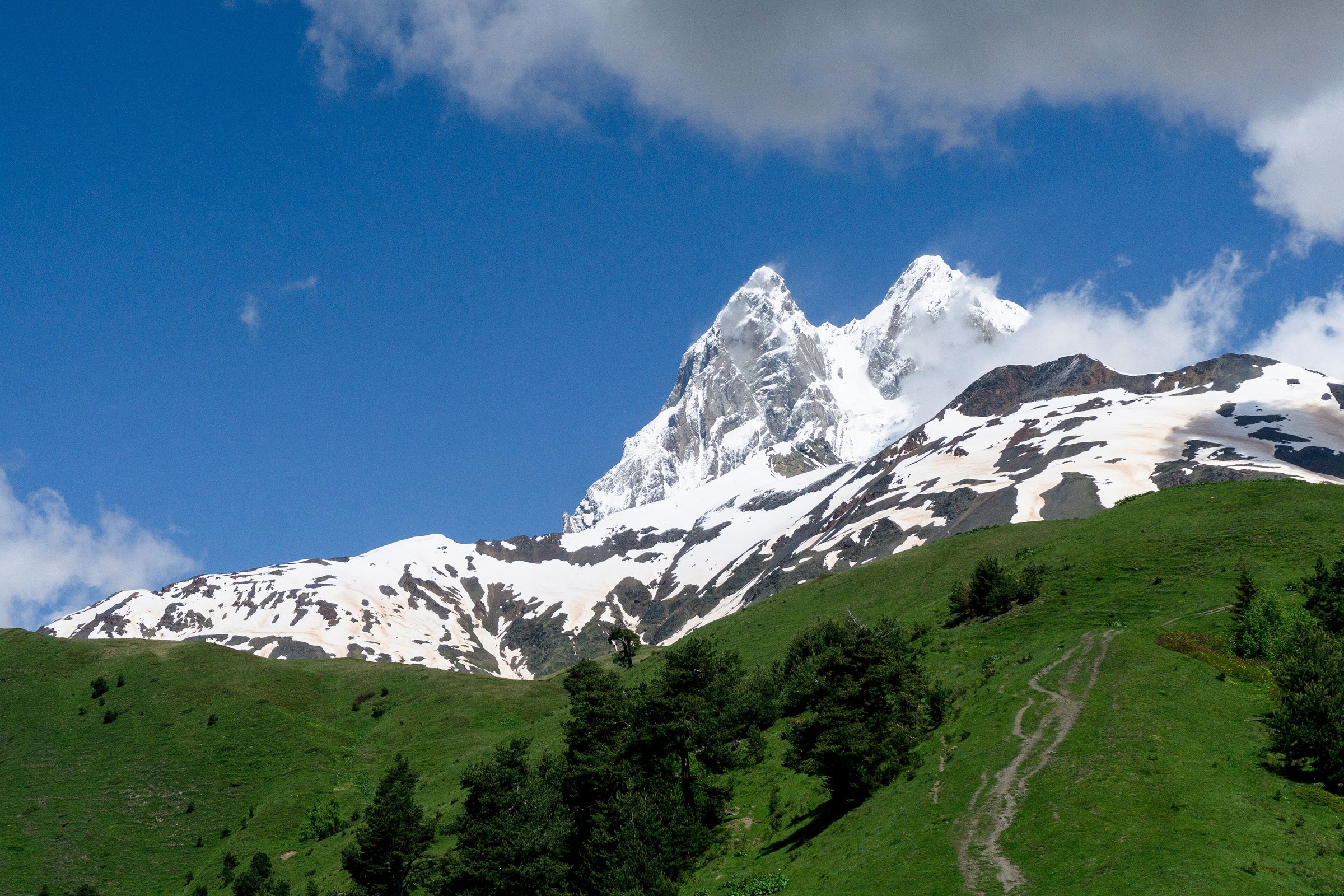
Photo: Florian Pinel · CC BY-SA 3.0; Florian Pinel · CC BY-SA 3.0; Arian Zwegers from Brussels, Belgium · CC BY 2.0 · Wikimedia Commons
What's included
- Meal
- Airtickets
- Transfer
- Museum Tickets
- Guide service
- Travel insurance
- Concert tickets
- Hand Luggage
- Checked-in Bag
- სასტუმროში განთავსება
About the tour
Guide - Your local professional guide will give you recommendations and will introduce Georgia in more impressive way. You will spend your time with a safe person who will assist you to have memorable experience in Georgia.
Transportation - Mercedes Benz Vito
Day 1
Drive from Kutaisi
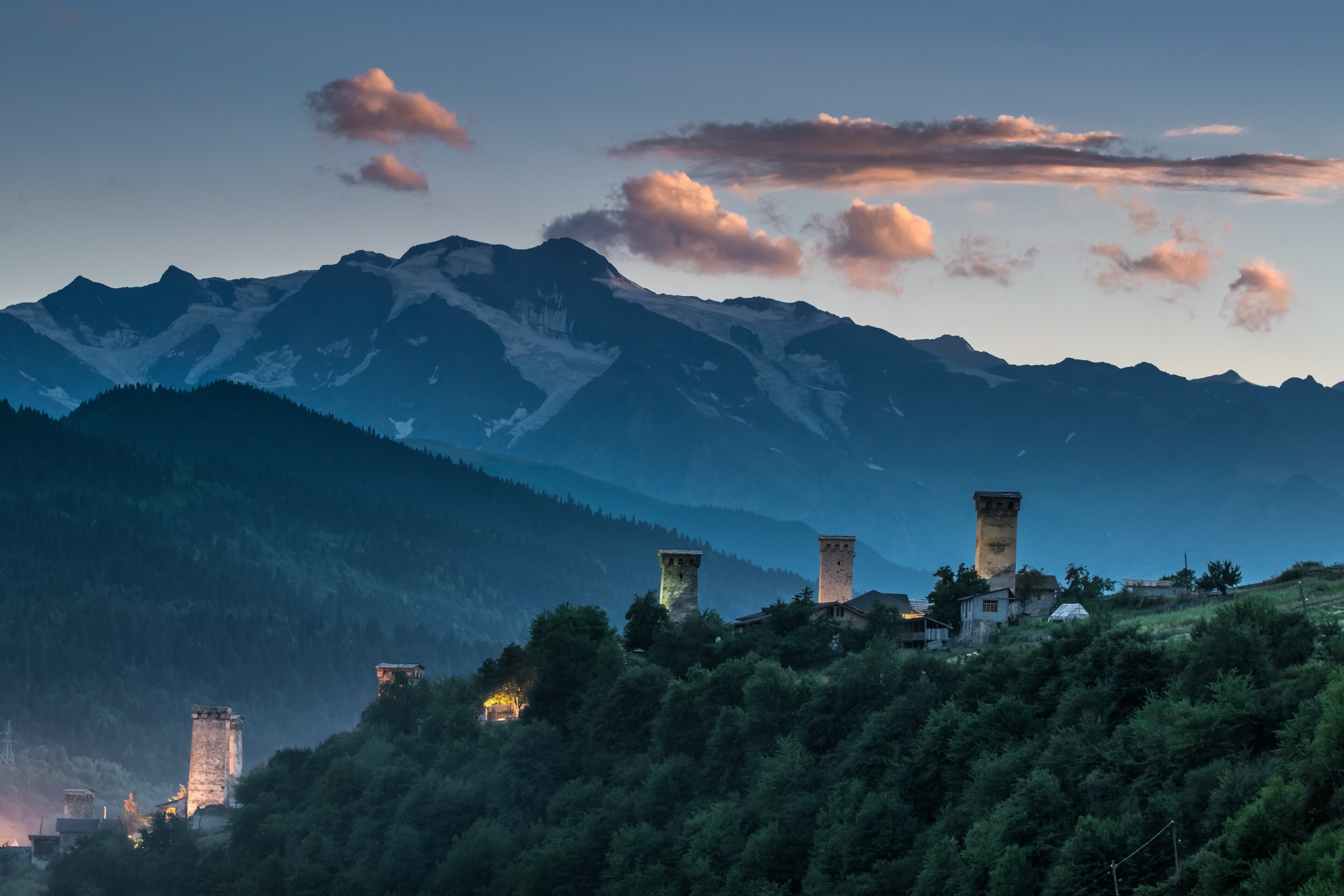
Ethnographical museum of Mestia - The Museum houses historic artifacts from the Svaneti region, including unique icons and engravings, a rich collection of manuscripts, medieval weaponry, iron, silver and copper ornaments, jewelry, pottery and a collection of textile items, ethnographic artifacts
Lunch - Lunch box (sandwich, vegetables, fruits)
The food is a respectable mix of Svan specialties and Georgia-wide favorites.
Check in at the hotel - Svan tower
Day 2
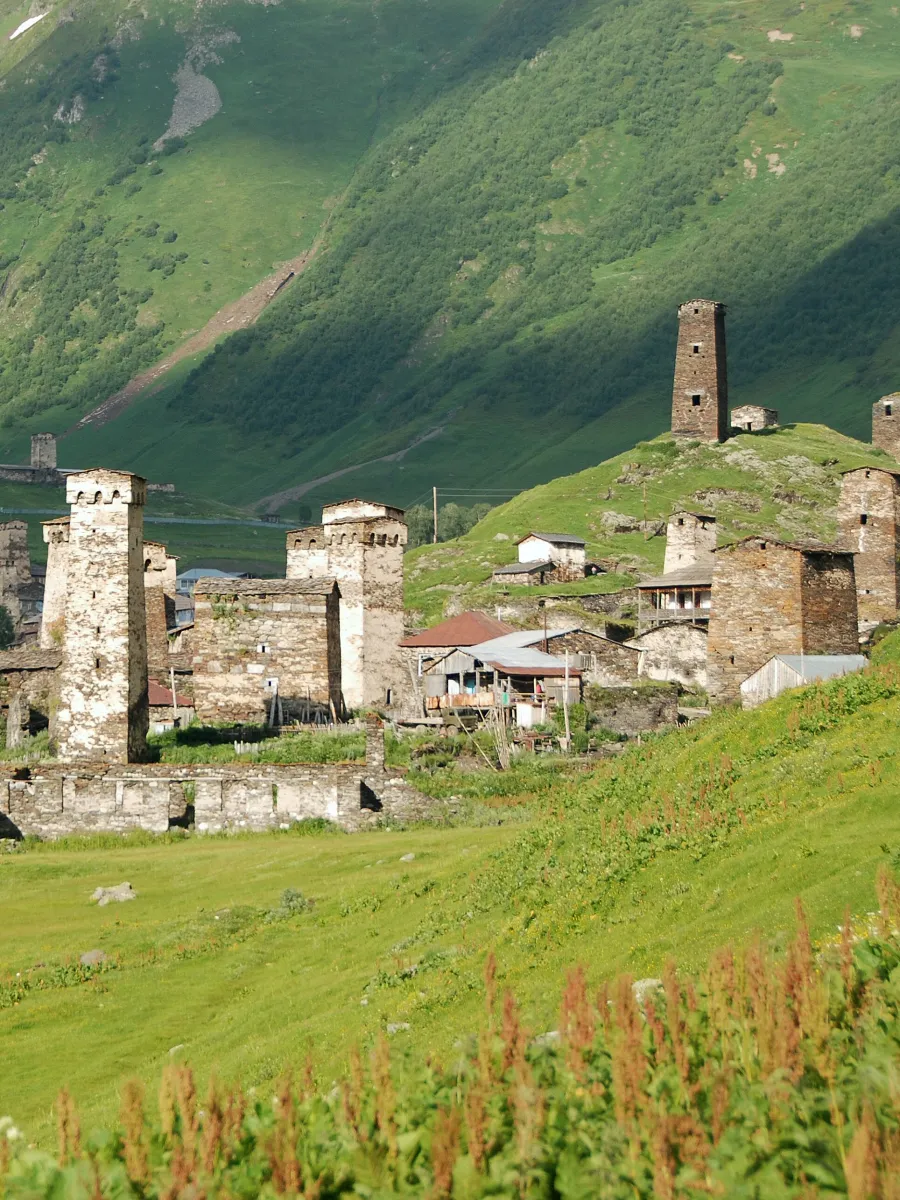
Ethnographical museum of Ushguli - The Ethnographic Museum has a superb collection of gold, silver and wooden icons and crosses dating back to the 12th century from Ushguli is seven churches.
Lunch - Lunch box (sandwich, vegetables, fruits)
Lamaria Church - Lamaria is a goddess in Georgian mythology, specifically of the Svan ethnic subgroup. Lamaria is the goddess of the hearth, protector of cattle, and a protector of women.
Ushguli towers - An unique style towers in the world. These towers usually have three to five floors. The tower homes of Svaneti were at the same time familial living quarters, fortified fortresses of defense, and personal treasures. Most of the towers date back to the period between the ninth and 12th centuries.
Dinner - You will taste local cuisine.
Departure to Kutaisi
Svaneti — the tours we offer
A Svaneti tour includes transport from Tbilisi or Kutaisi, nights in Mestia, a guide and a 4x4 to Ushguli; in winter, a hotel and lift passes. We can arrange a three-day trip or a week-long trek around your dates.
When to go
July to September is best: 20–25° by day, cool nights, and the trails to the Chalaadi glacier, the Koruldi lakes and Ushguli are free of snow. On 28 August, Mariamoba, villages hold feast days.
In June the valleys are green but snow still lies higher up; in October the forests turn yellow and there are fewer people.
December to March is ski season at Tetnuldi and Hatsvali; the Zugdidi–Mestia road is sometimes closed for a while because of snow and avalanche risk.
What to see
- Mestia — 11th–12th-century towers, the Svaneti Museum of History and Ethnography with icons and manuscripts, and the Mikheil Khergiani house museum
- Ushguli — one of Europe's highest permanently inhabited villages (about 2,100 m), with towers and the Lamaria church against Shkhara; 45 km from Mestia
- Chalaadi glacier — an easy 2–3-hour forest trail to the glacier tongue, 8 km from Mestia
- Koruldi lakes — at 2,700 m with views of Ushba and Tetnuldi; walk up or take a 4x4 to the cross
- Tetnuldi and Hatsvali — two ski resorts near Mestia; in summer the lifts run for the views
- Latali and Lenjeri — villages with painted 11th–13th-century churches
Getting there
By car from Tbilisi to Mestia via Kutaisi and Zugdidi is up to 460 km (8–9 hours); you can also take the night train to Zugdidi and a minibus from there (3 hours). A direct minibus leaves from Didube, and Vanilla Sky flies from Natakhtari airport to Mestia several times a week — flights depend on the weather.
Practical information
Road: the 130 km from Zugdidi to Mestia is winding but paved (about 3 hours); the Mestia–Ushguli road is now almost all concrete, with a few short gravel stretches.
Where to stay: hotels and guesthouses in Mestia, family homes in Ushguli and Becho; in winter most people stay in Mestia, close to the slopes.
What to pack: hiking boots, a warm jacket and a rain jacket even in August; cash — there is no ATM in Ushguli.
Connectivity: internet is good in Mestia; in side valleys and on trails there is often no signal.