
MITSUBISHI
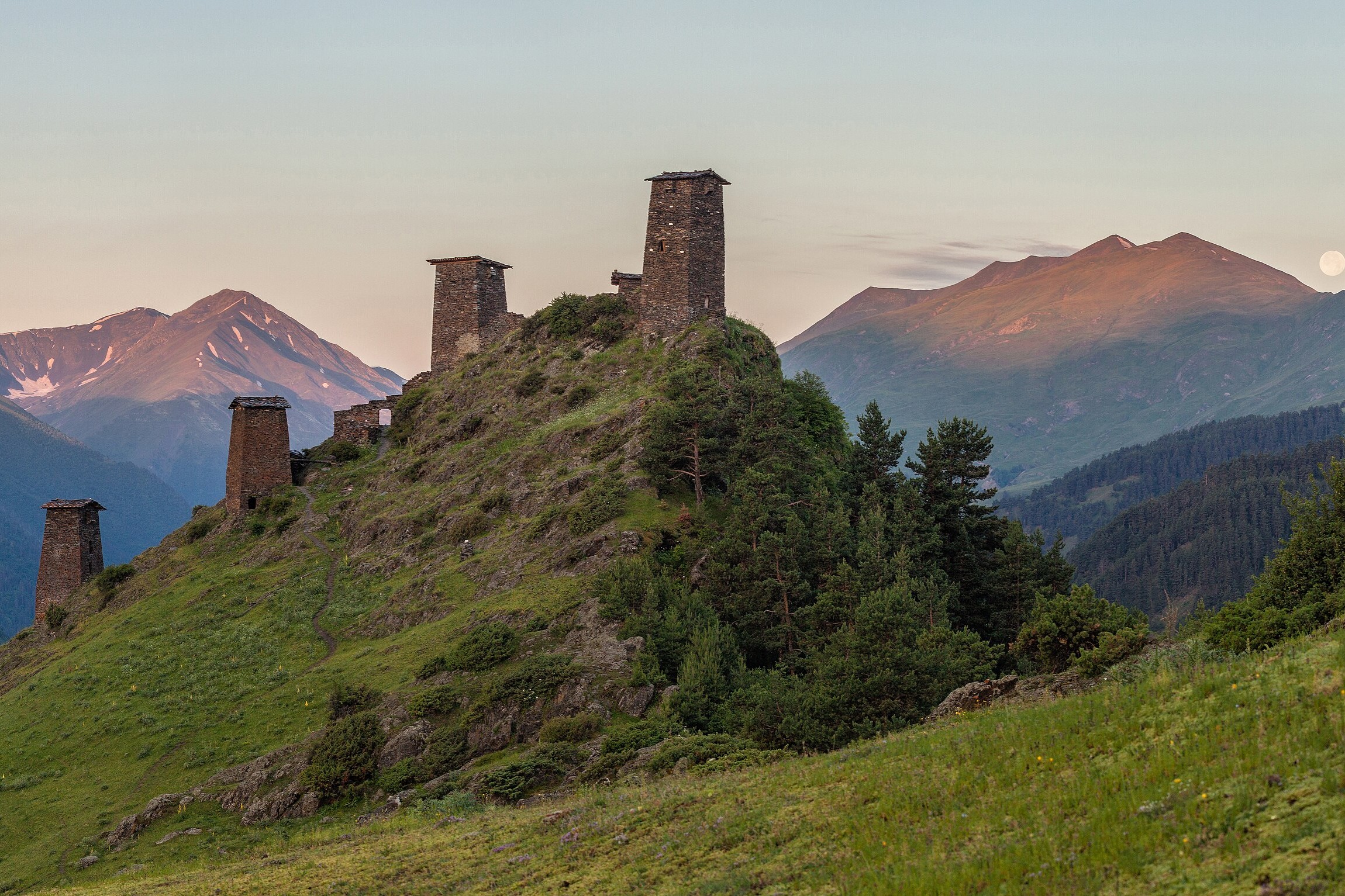
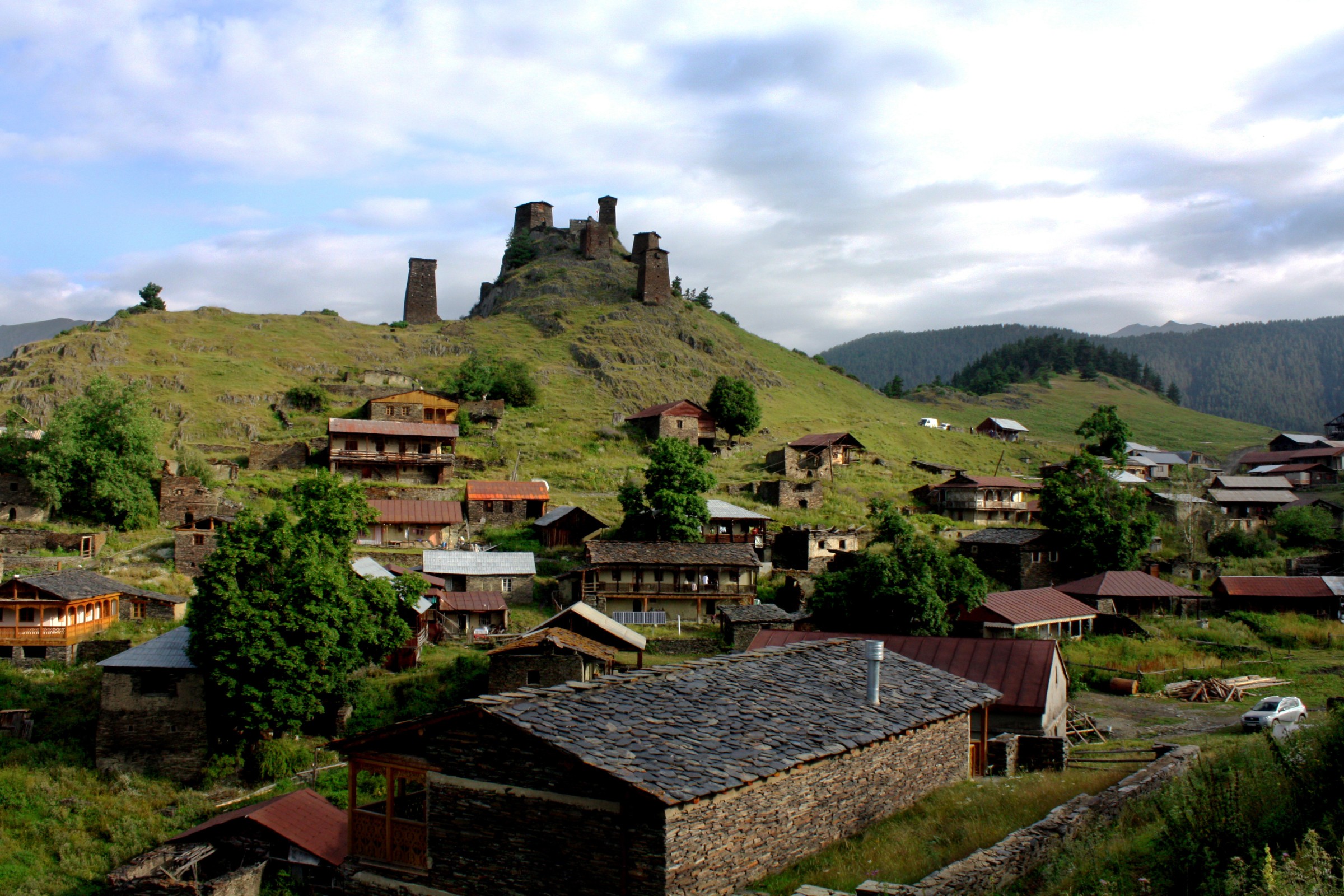
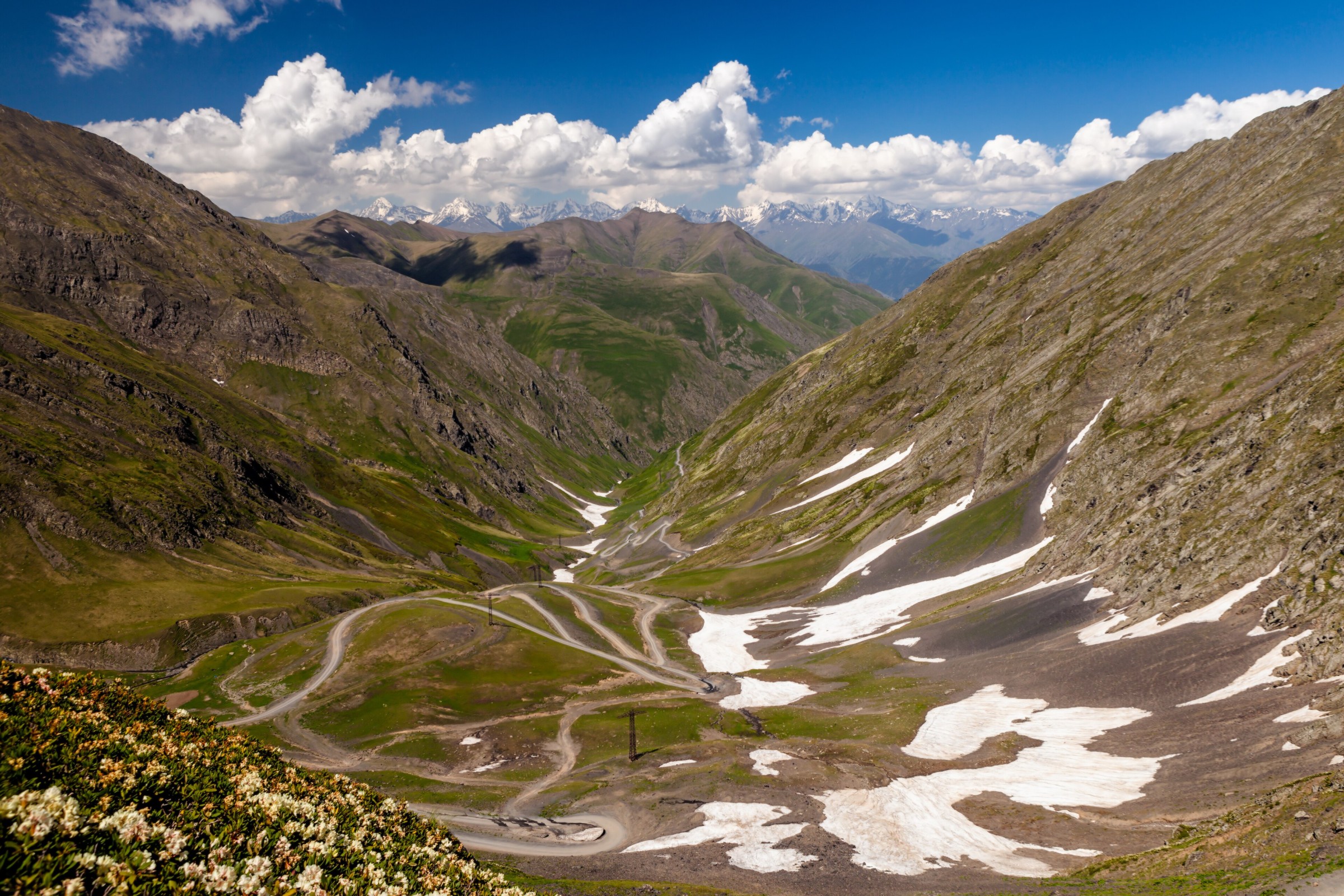
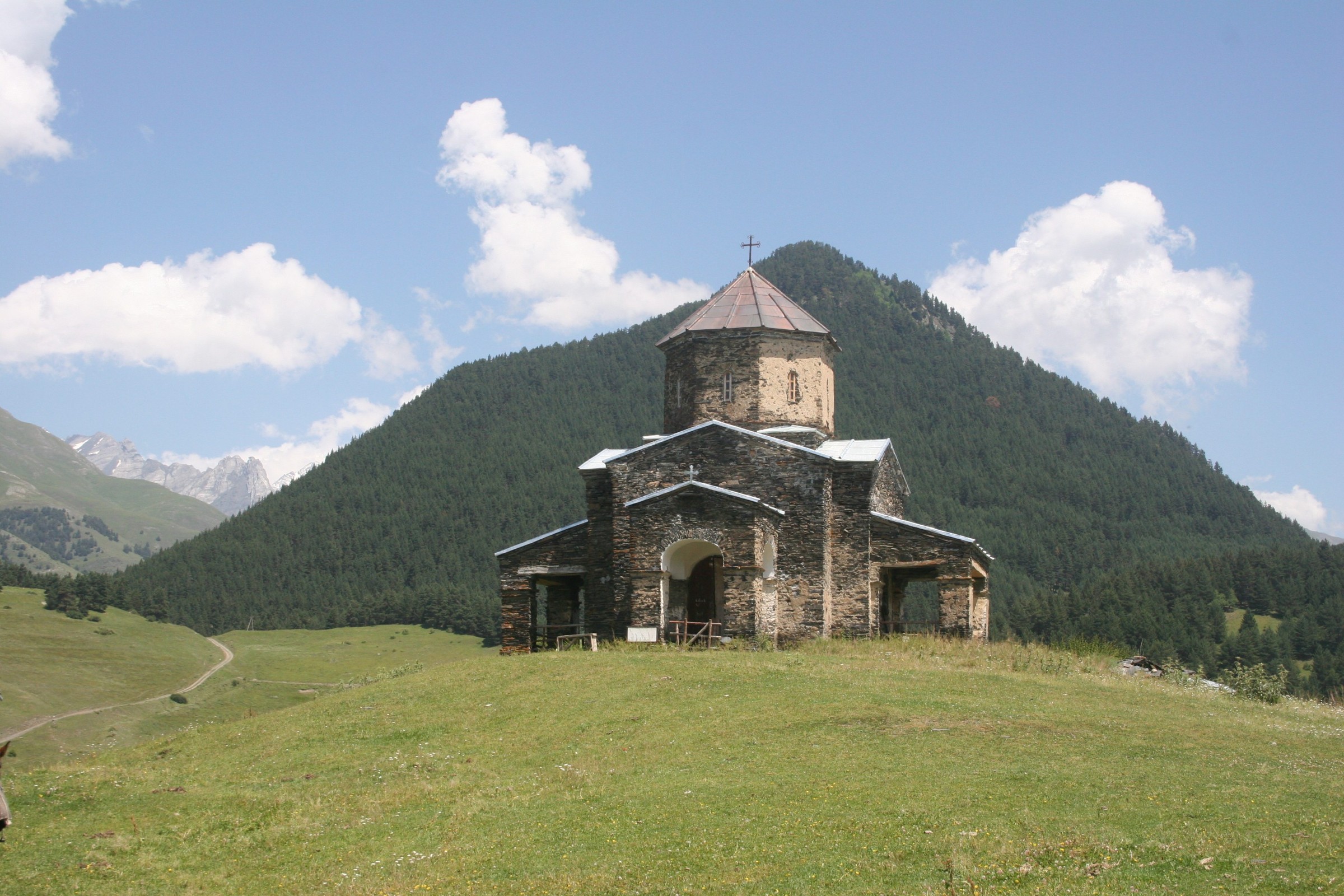
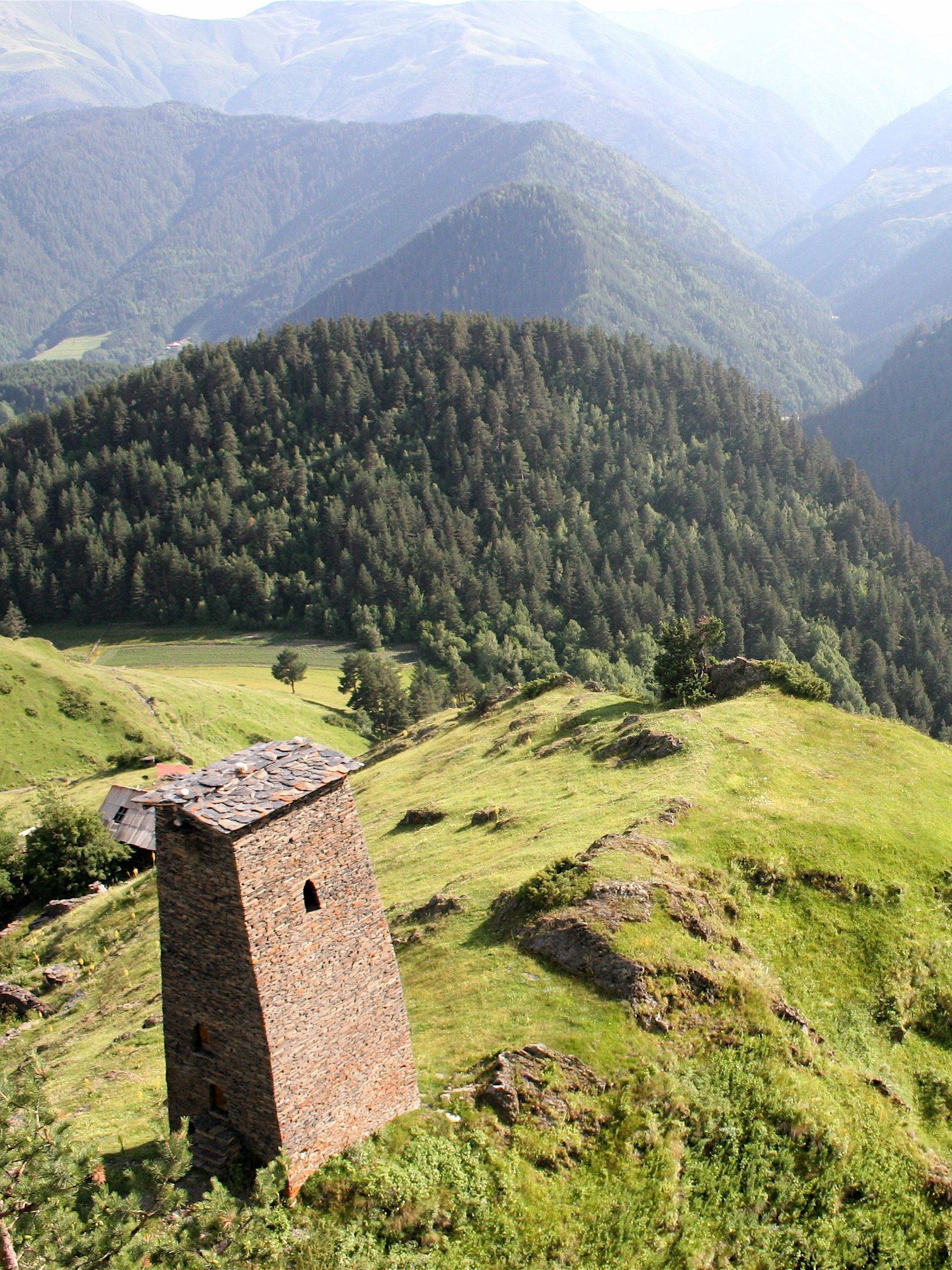
Photo: Moahim · CC BY-SA 4.0; Abramia Giorgi · CC BY-SA 4.0; Moahim · CC BY-SA 4.0 · Wikimedia Commons
What's included
- Meal
- Airtickets
- Transfer
- Museum Tickets
- Guide service
- Travel insurance
- Concert tickets
- Hand Luggage
- Checked-in Bag
- სასტუმროში განთავსება
— the tours we offer
A Tusheti tour usually lasts 3–5 days: a jeep with driver from Tbilisi or Alvani, guesthouse nights with meals and, if you like, a guide and horses for hiking. We will match your dates to the pass season.
When to go
July–August is best: 20–24° by day, 8–12° at night, with trails and passes open; Tushetoba is held in Omalo in August.
June and September are quieter, but the weather is changeable and there may be snow on the pass.
The Abano road usually opens in late May or June and closes in October; in winter Tusheti is cut off and almost no one stays in the villages.
What to see
- Omalo and Keselo fortress — Tusheti's main village and restored defensive towers above Upper Omalo
- Dartlo — a village of slate houses and towers in the Pirikiti Alazani valley
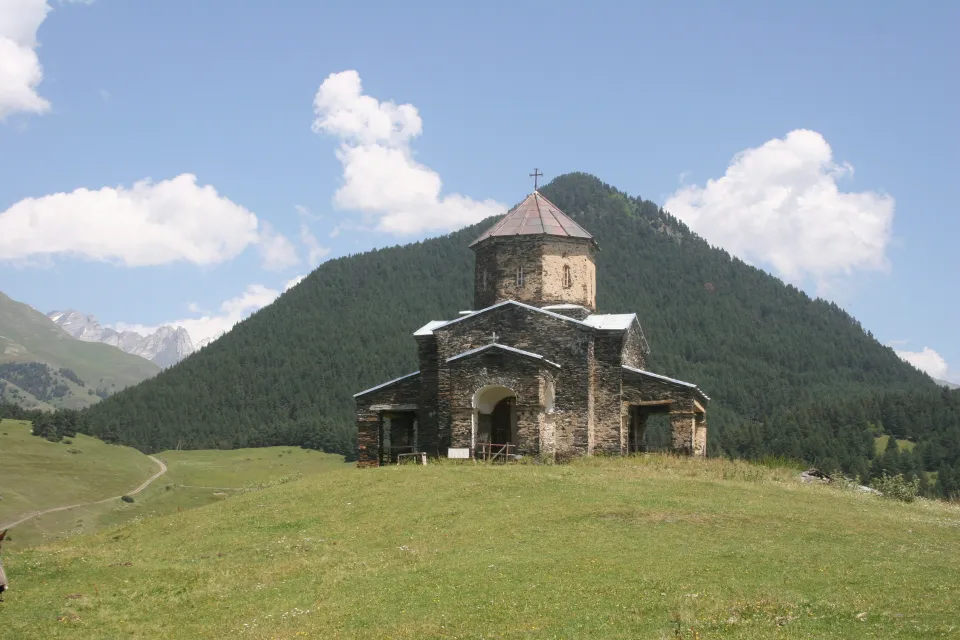
- Shenako — a village with a 19th-century Holy Trinity church and valley views
- Diklo — a fortress on a cliff edge near the Dagestan border
- Parsma and Girevi — remote Pirikiti villages and the starting point for treks to Khevsureti
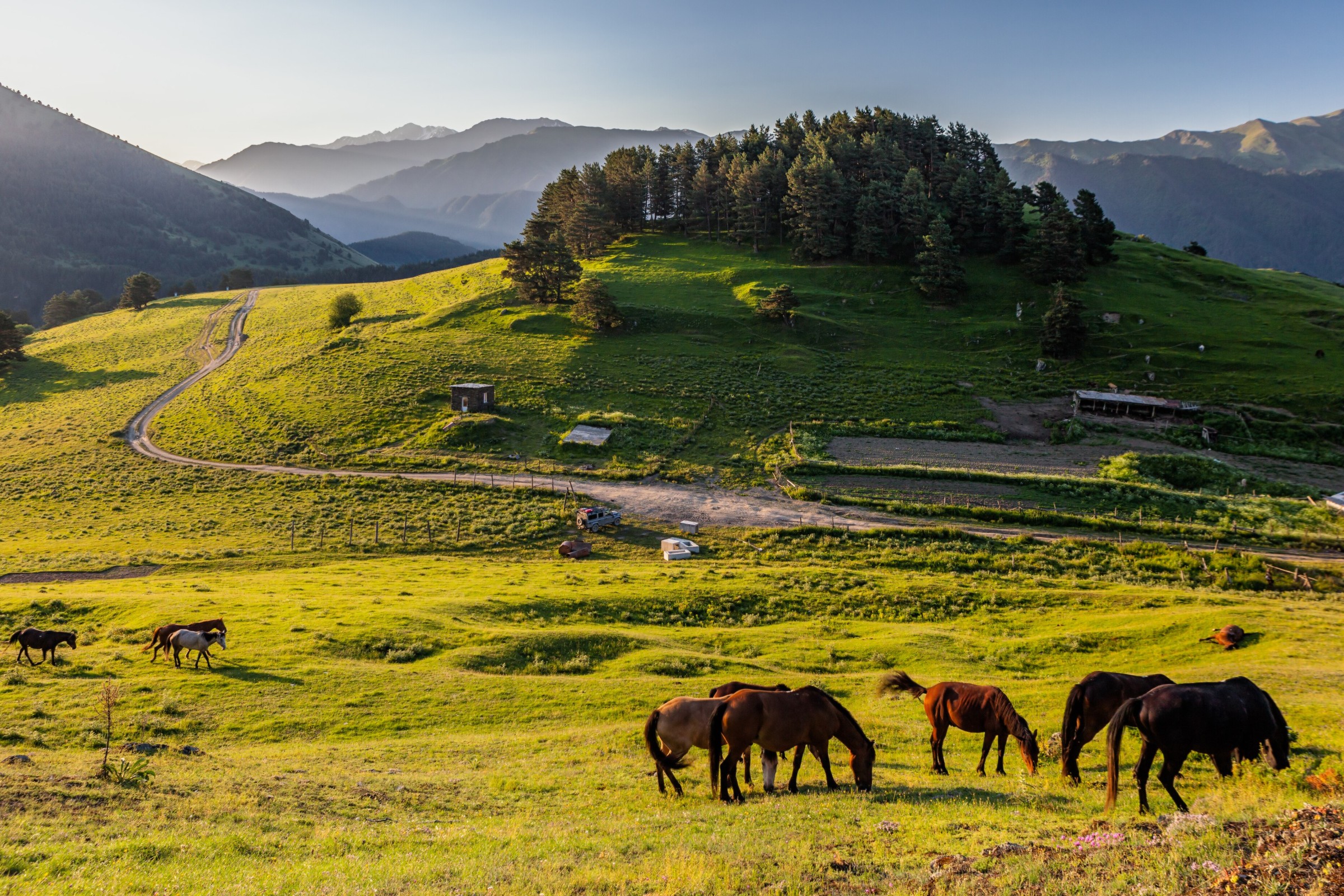
- Tusheti National Park — alpine meadows, pine forest and multi-day hiking routes
Getting there
From Tbilisi to Pshaveli via Akhmeta is about 140 km (2.5 hours), then another 70–72 km and 4–5 hours by 4x4 to Omalo. In summer shared jeep taxis run from Alvani and Telavi; we only recommend driving yourself if you have mountain-road experience.
Practical information
Road: only by high-clearance vehicle with an experienced driver; a dirt road above sheer drops that climbs to almost 2,900 m at the Abano pass.
Where to stay: family guesthouses in Omalo, Dartlo and Shenako, some next to the towers.
What to pack: warm clothes, a rain jacket, hiking boots, medicine and cash — there are no ATMs.
Connectivity: signal in Omalo and some villages, often none on the trails.