

Tourist Company “ p” offers you a -day unforgettable wine tour !
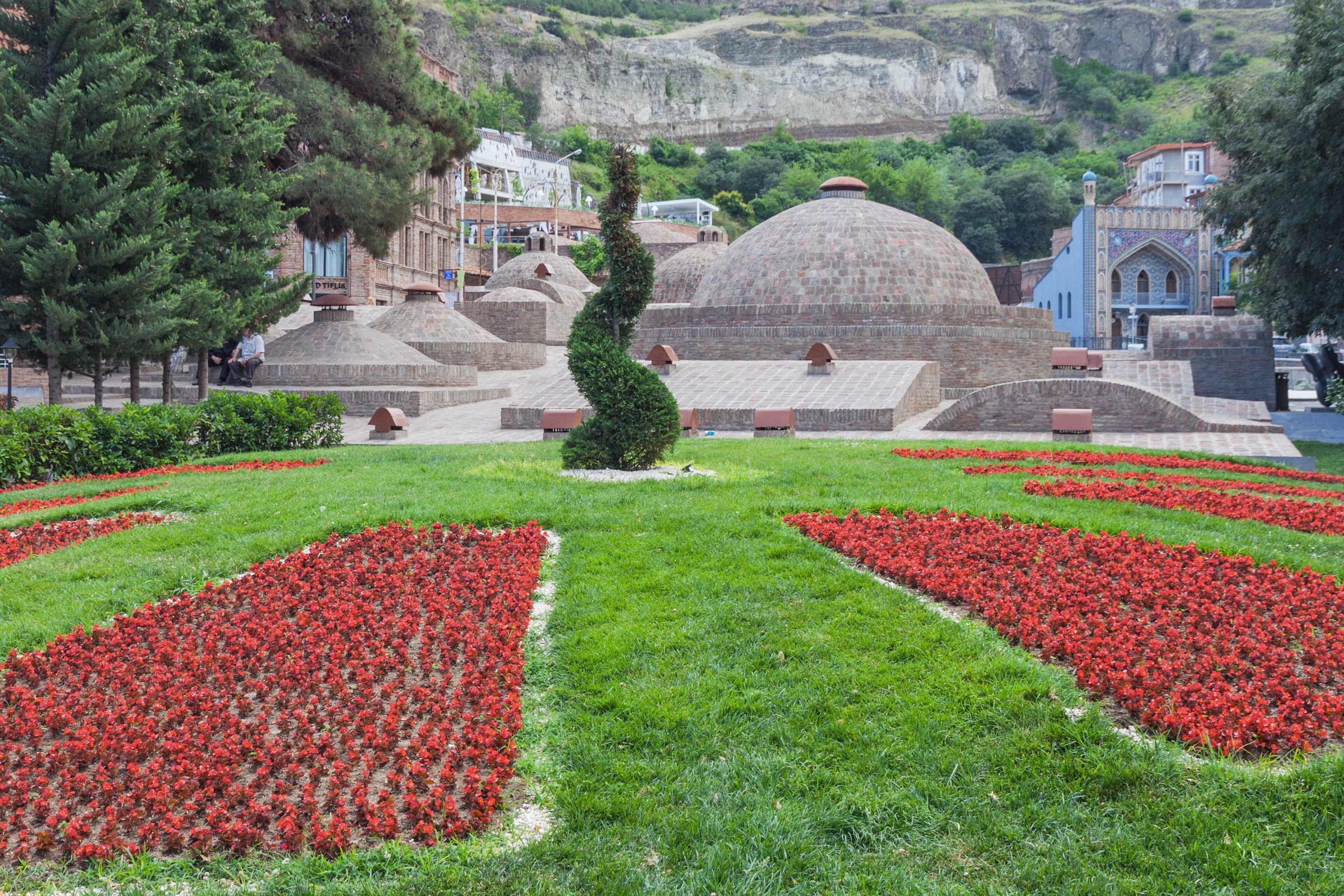

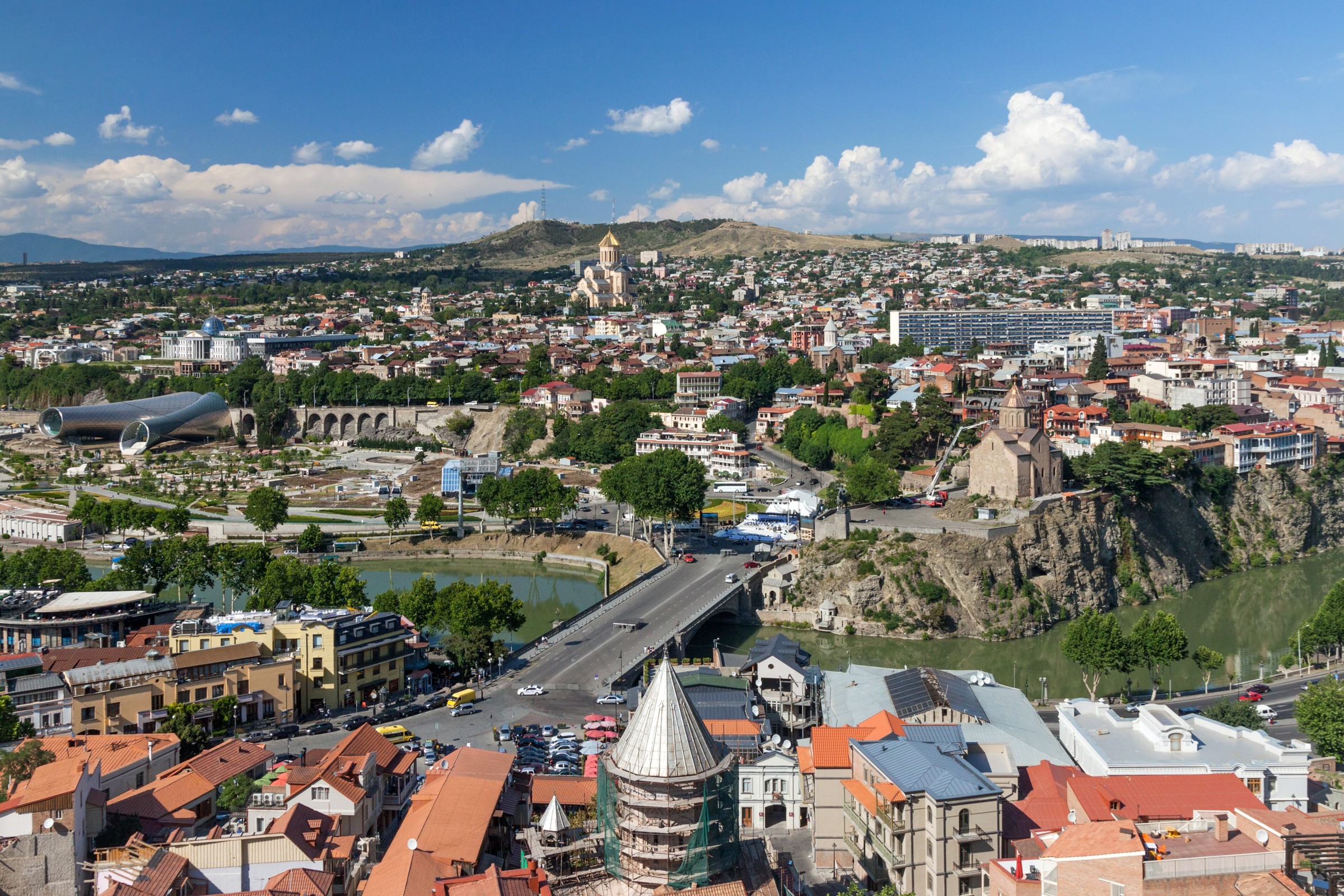
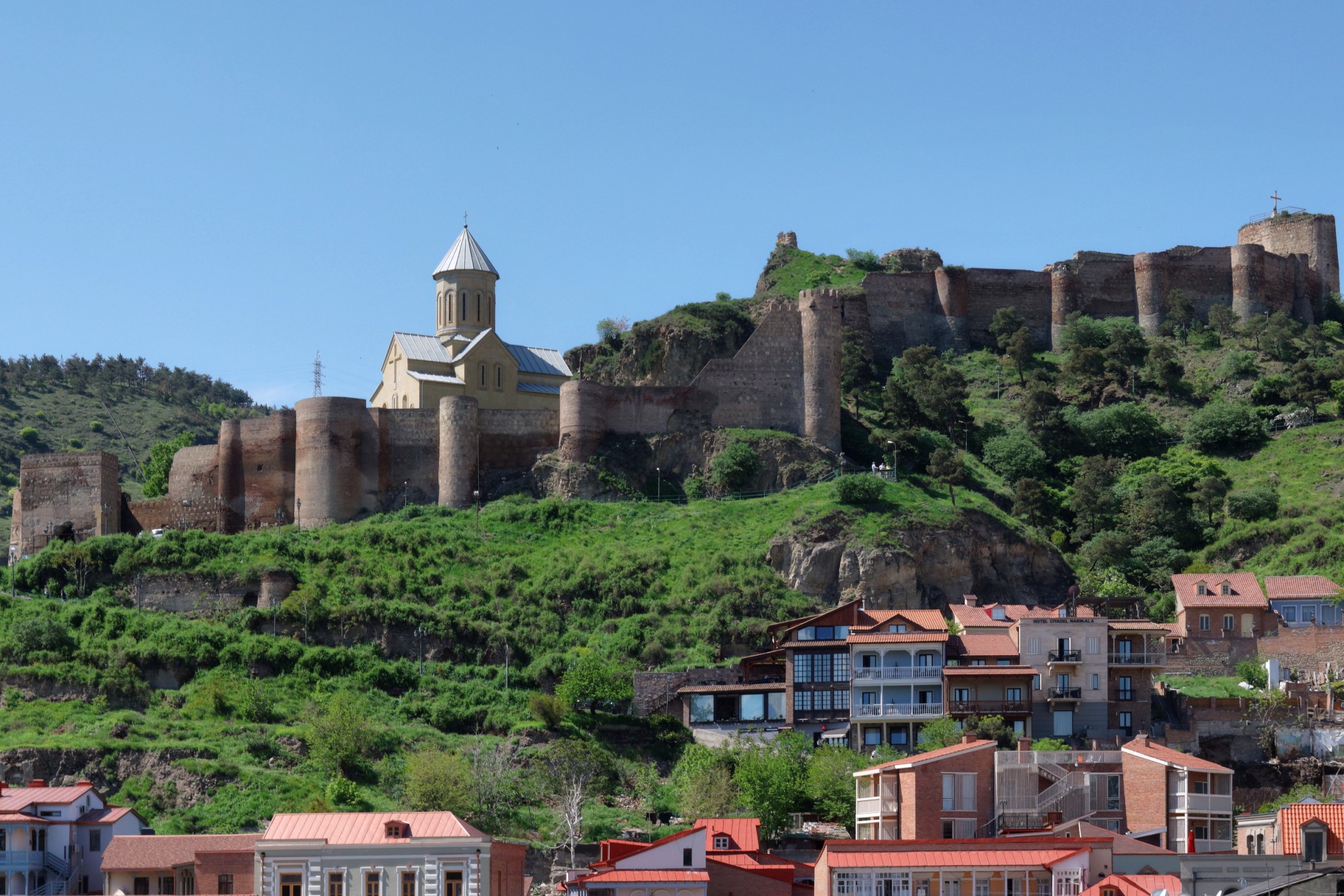
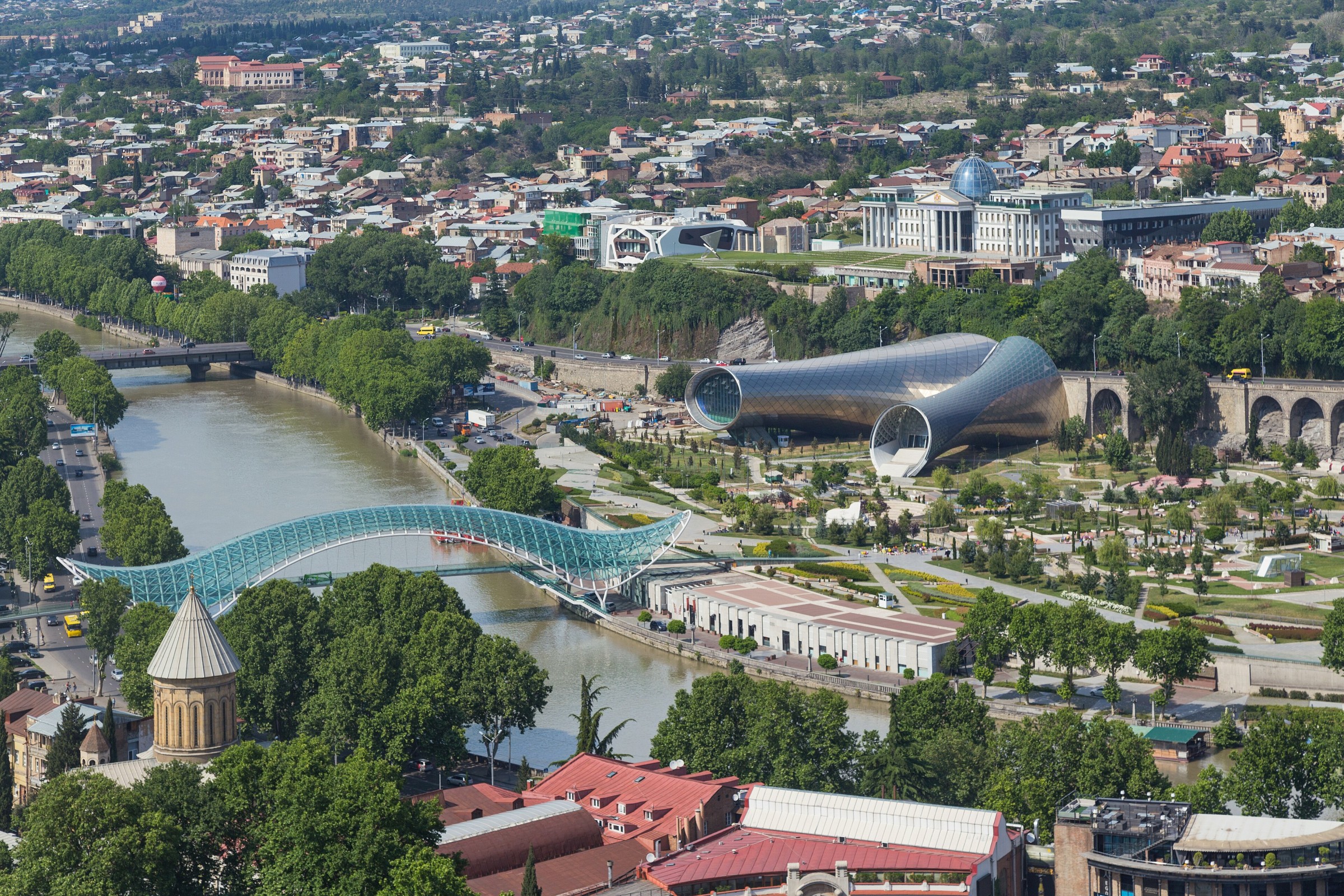
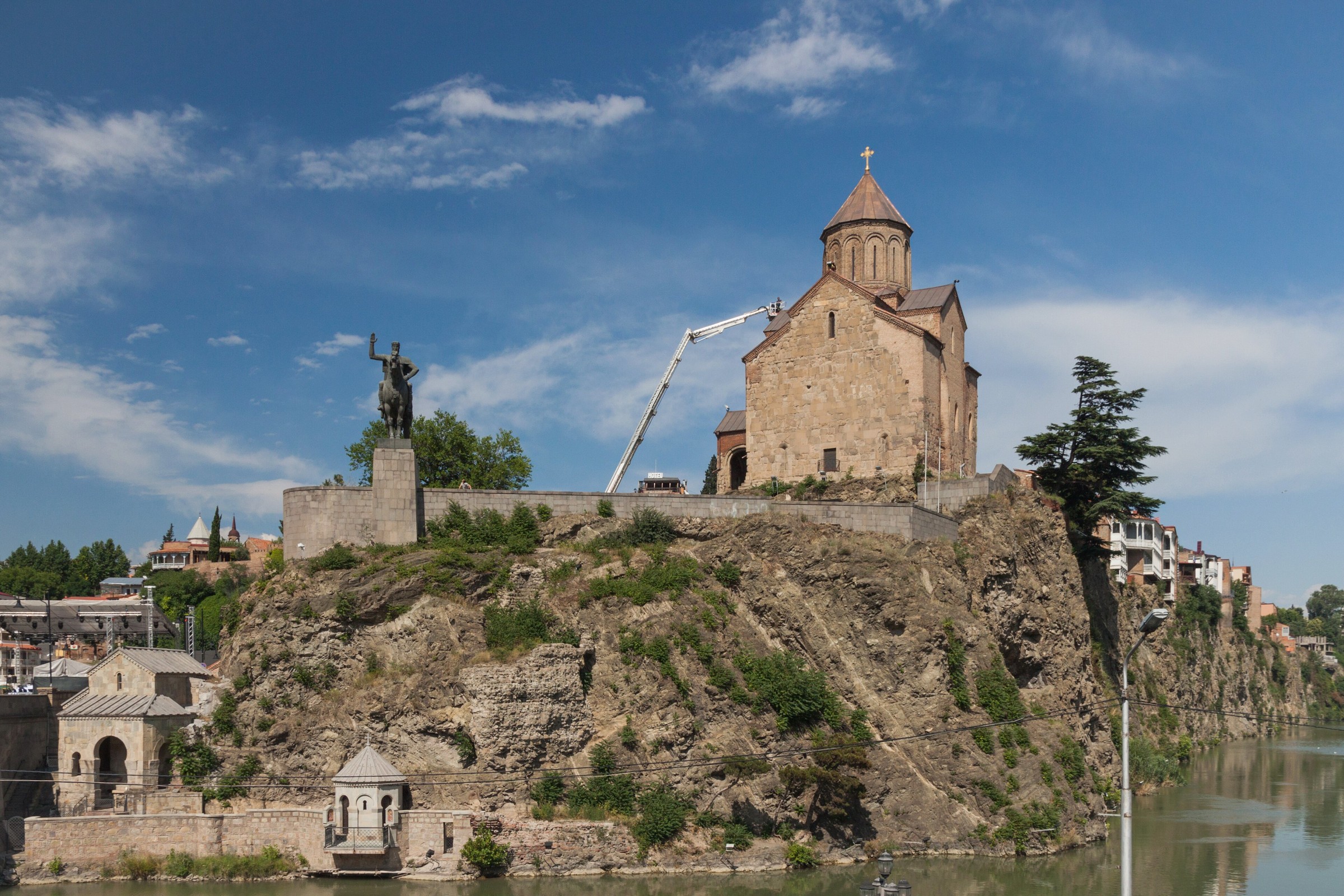
Photo: Marcin Konsek · CC BY-SA 4.0; Marcin Konsek · CC BY-SA 4.0; Marcin Konsek · CC BY-SA 4.0 · Wikimedia Commons
What's included
- Meal
- Airtickets
- Transfer
- Museum Tickets
- Guide service
- Travel insurance
- Concert tickets
- Hand Luggage
- Checked-in Bag
- სასტუმროში განთავსება
About the tour
Georgia, which is located at the crossroad of Europe and Asia , from the ancient times is considered as the origin homeland of vine and wine . Just here was at first originated the culture of wine producing. This fact is confirmed with archeological materials, found in the territory of Georgia : jugs in which is found a grape stones, a ceramic dishes for wine production.
You will see and get to know the wine, made with traditional and factory technologies.
We shall see a traditional maranis of peasant. You have chance to test the wines made from various grapes.
Vine had influenced over all spheres of Georgian culture . (religion, architecture, polyphony , carving, culinary ). The tour gives you an opportunity to visit and feel spirituality and creativity of the vine and wine .
1st day
Meeting at the airport, transfer, accommodation
After the breakfast , we shall begin to get know Tbilisi, the capital of Georgia . We shall visit Tbilisi old districts : Metekhi church, from this place is seen wonderful view of old Tbilisi of XV-th century.
We shall walk along Meidani – synthesis of Asian and European cultures: sulphur bathes , mosque, Armenian and Georgian churches , synagogue , balconied houses characteristic for Tbilisi.
We shall visit the Narikala fortress , from where is seen the panorama of Tbilisi.
We shall visit a wine tunnel , where we shall taste the wine .
Dinner ,
We shall visit the state museum. We shall know history and art facts of Georgian culture, which is connected to vine and wine production.
Then we shall visit wine museum and wine chamber, in wine tour you will test wine and will be an excursion.
We shall go to ethnographic museum. We shall know characteristic of domestic life and various architectural samples of various regions of Georgia.
Supper
Georgian kitchen . The wine , made from the grape from aborigine vine variety .
2nd day
Mtskheta - ancient city of Georgia
After breakfast we shal visit Mtskheta – ancient capital city of Georgia , which is located at the crossroad of the rivers Mtkvari and Aragvi. Historical monuments of Mtskheta is taken in UNESCO’s world cultural heritage list . One of them is Svetitskhoveli (X century) , where is placed Jesus Christ’s tunic and there is located pantheon of Georgian kings.
Samtavro Transfiguration Orthodox church and nunnery of St. Nino (IV-XI centuries) . Spread of Christianity , creative place of St. Nino – enlightener of Georgians.
“Chateau Mukhrani” wine marani ,testing and excursion.
Dinner at the restaurant – Georgian traditional dishes.
Giorgi Barisashvili’s marani , where you can taste pitcher wines made with Georgian technologies.
Jvari Monastery (V century ).
Supper in Tbilisi.
3rd day
East Georgia . Alazani valley – homeland of wine.
After breakfast we shall leave to east Georgia , shall pass over Gombori passage (1620 m from sea level) Alaverdi cathedral church (IV-XVII centuries) . Ancient traditional marani.
Ikalto monastery (VIII-IX centuries) where is preserved old theological academy, marani, refectory.
Dinner .
Old Shuamta monastery (V-VII centuries) ancient pitchers and architecture .
New Shuamta , monastery (XVI century)
Tsinandali, House-museum of Alexander Chavchavadze (XIX century). World of Georgian aristocracy.
Marani, Wine hall and wine degustation.
Ancient capital city Telavi, King Erekle palace .
Supper
With traditional delicious dishes, kakhetian wine and kind heart.
4th day
Wine world
After breakfast we leave to Napareuli to “twins’ marani “ – wine museum and wine testing.
Nekresi monastery complex (IV-VI centuries) , with interesting architecture and views, the marani dated with ancient times.
Dinner
At “Kindzmarauli”
Peasant’s marani , wine degustation .
Gremi monastery ( XVI century) . Very beautiful wall painting . Alazani valley .
Wine factory “Kindzmarauli” , marani, wine tour in the territory of the factory, degustation of various wine types , traditional vodka distilling .
Supper
Traditional polyphony in vodka distilling and Georgian meals with toastmaster.
5th day
Beautiful views and delicious wine
After breakfast we shall leave to Sighnaghi , castle-town of XVIII-XIX centuries .
From the town is seen beautiful Alazani valley , where is planted unique vine varieties and there are most of vines.
Sighnaghi museum with wine and vine art facts.
Marani “pheasant’s tears” – wine degustation.
Bodbe monastery (IV-IX centuries) . Tomb of St. Nino - spreader of Christianity in Georgia .
David-Gareji lavra , built in desert (VI-XII centuries)
Monasteries caved in rock , unique wall painting, amazing panorama of desert .
Leaving supper in Tbilisi
Price includes :
Transfer
Hotel
Meal
Travel insurance
Price does not include :
Visa fee
(for the group with 15 persons)
Tbilisi — the tours we offer
In Tbilisi we offer guided walks through the old town, Abanotubani and Narikala, as well as weekend packages with a hotel for visitors from the regions. We can add a day trip to Mtskheta or Kakheti and fit everything to your dates.
When to go
April–May and September–October are best: 18–25°, ideal for walking around the old town and Mtatsminda. Tbilisoba, a street festival with young wine and mtsvadi, takes place in October.
July–August: 33–38°, the streets are hot; spend the day in museums and walk in the evening, or head to Turtle Lake and the Tbilisi Sea.
Winter is mild with rare snow; in December there are New Year markets on Rustaveli Avenue and in the centre.
What to see
- Old Tbilisi and Abanotubani — sulphur baths under brick domes, the Leghvtakhevi waterfall and Meidan square
- Narikala — a fortress recorded since the 4th century, reached by cable car from Rike Park; next to it, Mother of Georgia and the Botanical Garden
- Mtatsminda — the funicular, an amusement park and the best view of the city; below, Mamadaviti church and the Pantheon
- Rustaveli Avenue — the opera house, parliament and the National Museum with its collection of Colchian gold
- Sololaki — 19th-century houses with painted entrance halls, wooden balconies and inner courtyards
- Dry Bridge market — antiques, Soviet memorabilia and paintings; busiest at weekends
Getting there
From Batumi it is about 5 hours by Stadler train, or up to 360 km and under 5 hours by car on the new Rikoti road; from Kutaisi, 230 km (under 3 hours). Tbilisi airport is 17 km from the centre: 40–60 minutes on bus 337, 20–30 minutes by taxi.
Practical information
Getting around: two metro lines, buses and minibuses on one card (Metromoney) or a bank card; app-based taxis are cheap.
Where to stay: Old Tbilisi, Sololaki and Vera are within walking distance of everything; Vake is quieter.
What to pack: comfortable shoes — the old town is hilly and cobbled; in summer, water and a hat.
Connectivity: internet works well everywhere, and most cafés have free Wi-Fi.