

Borjomi-Rabat-Vardzia
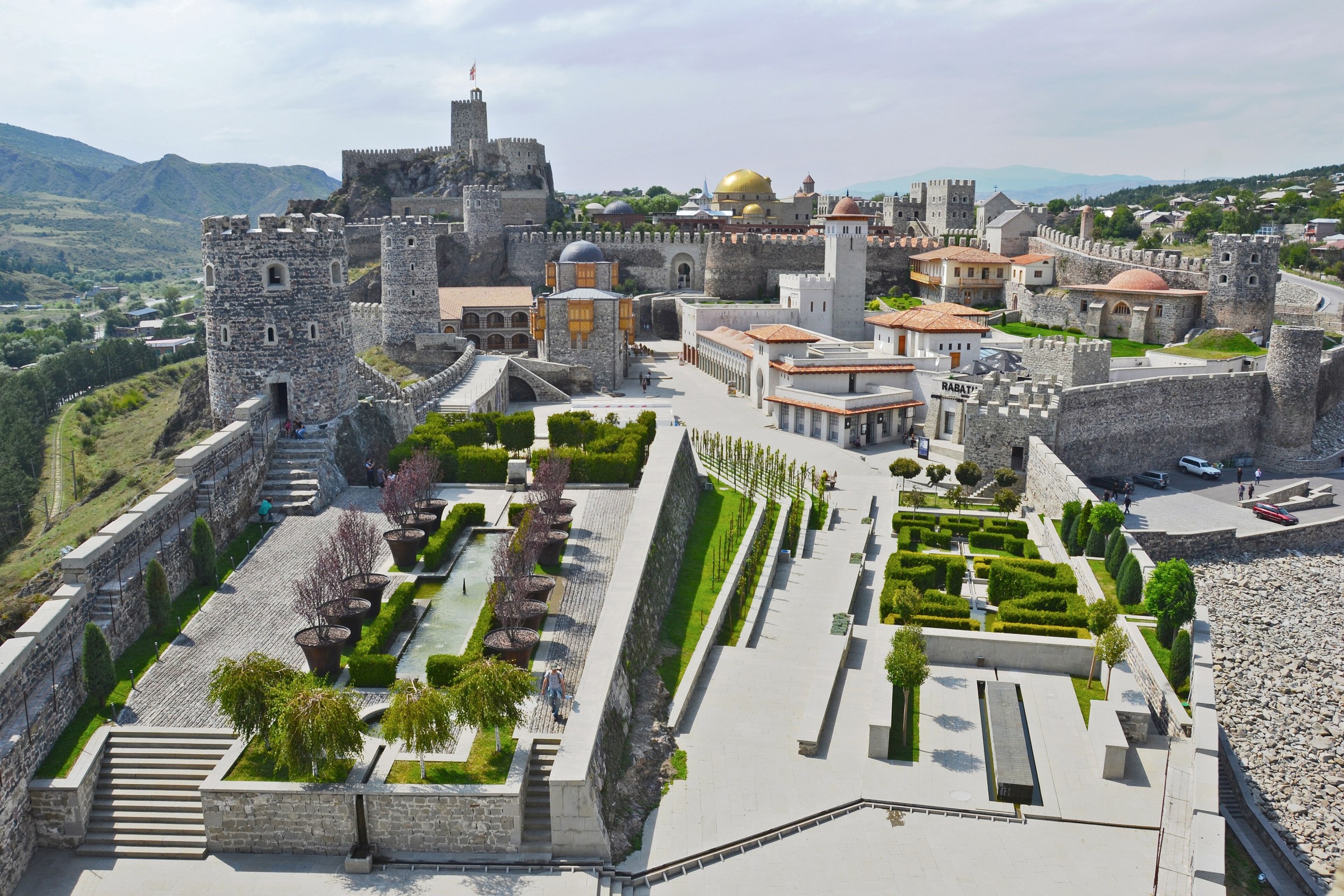
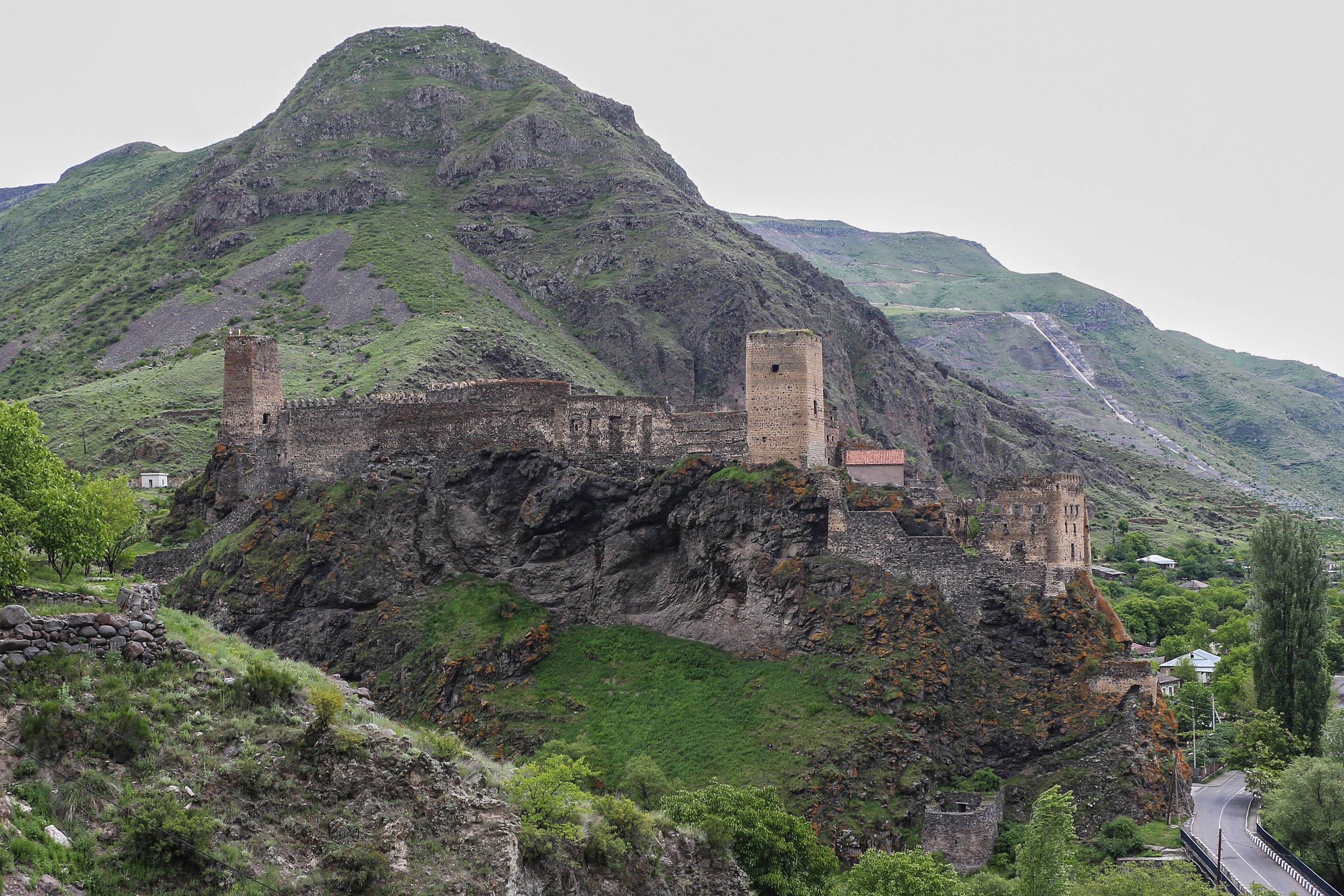
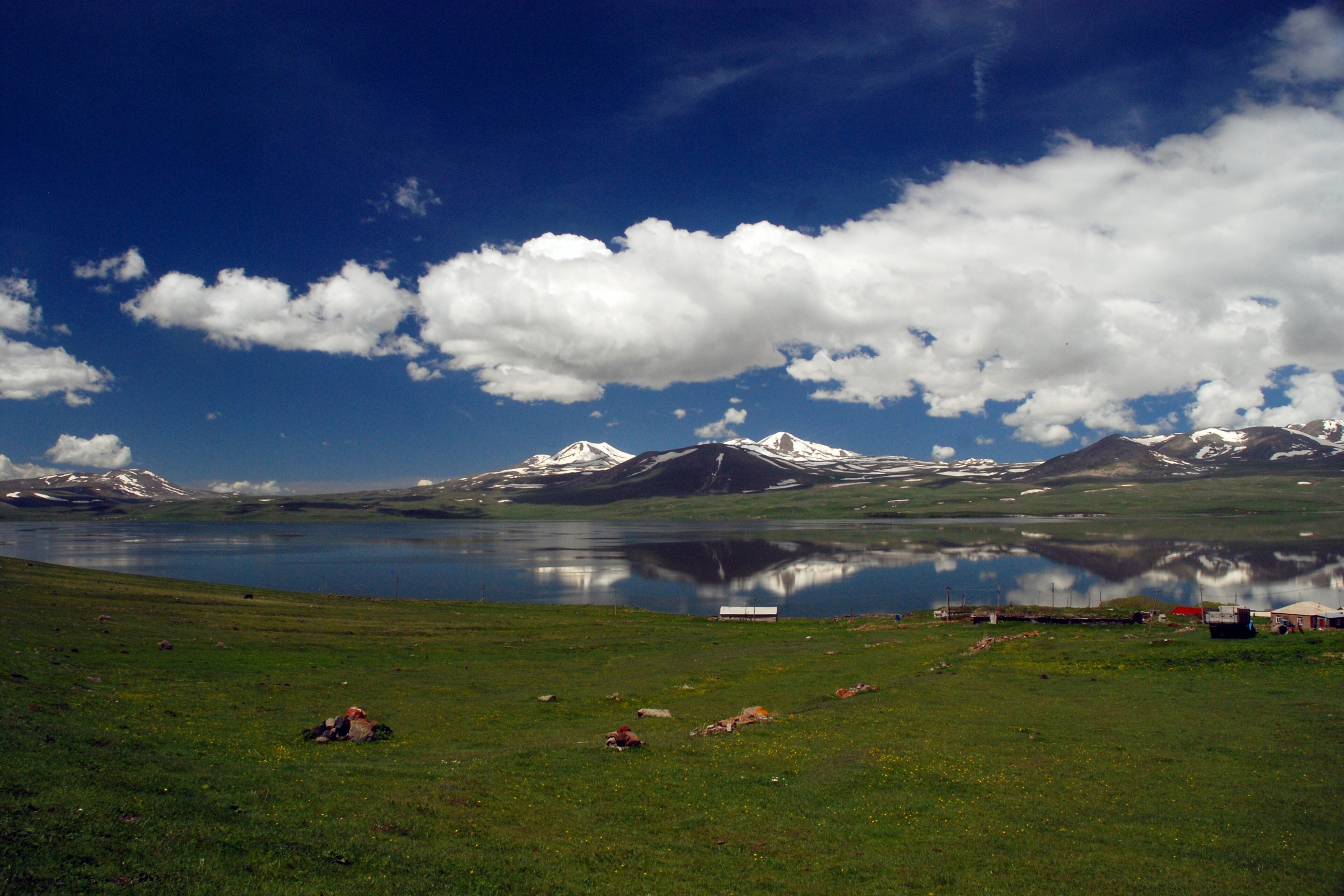
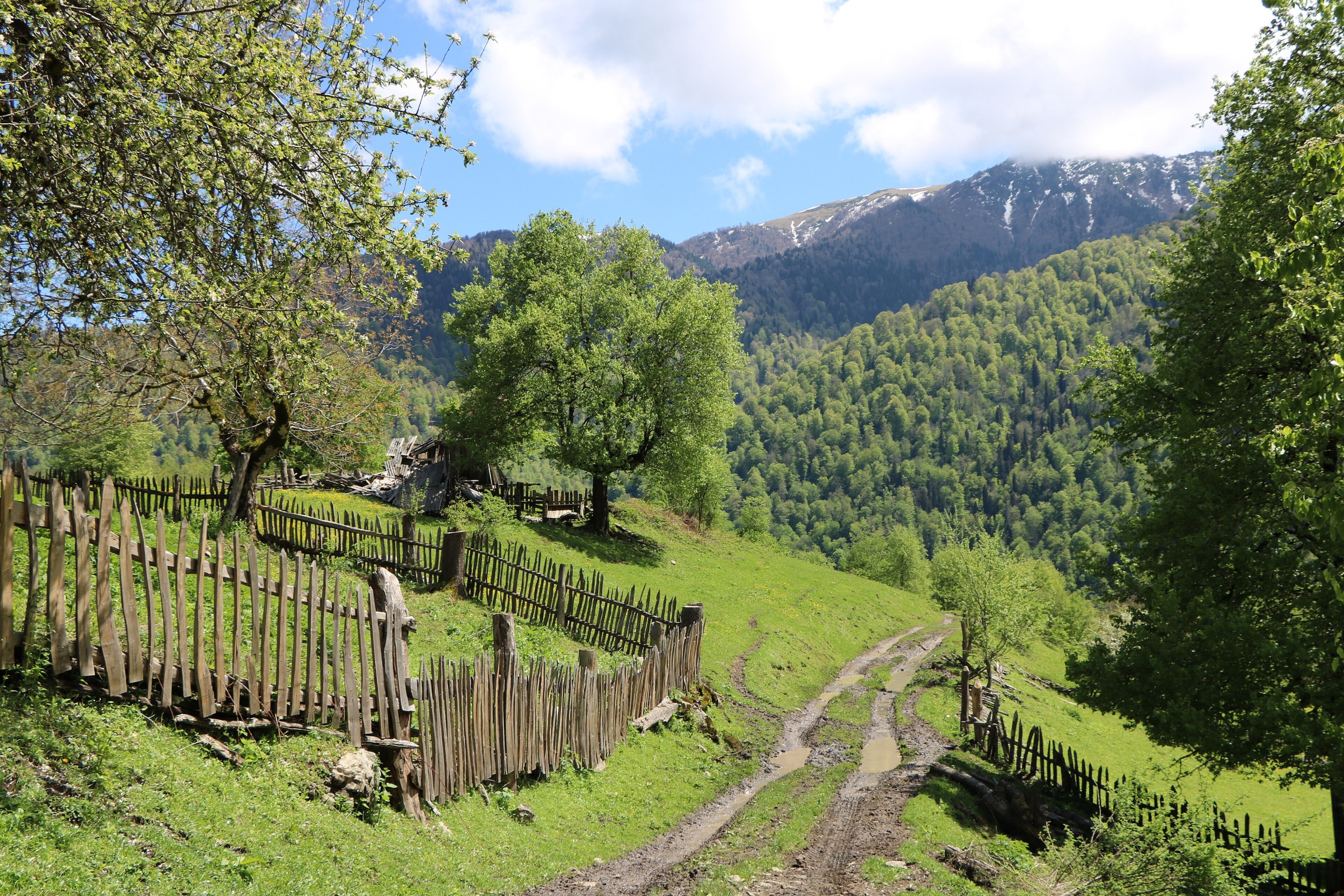

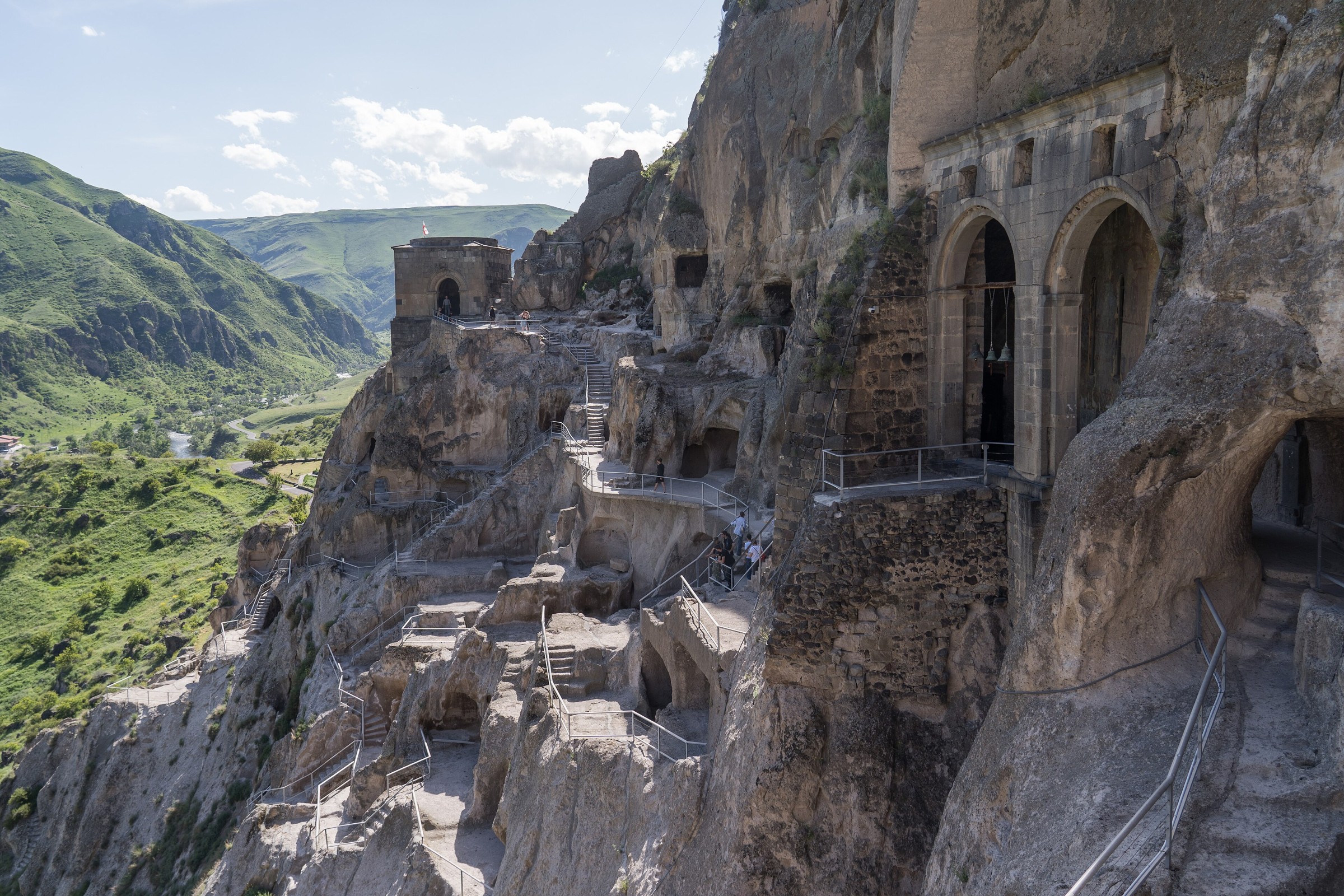
Photo: I kynitsky · CC BY-SA 4.0; Bernard Gagnon · CC BY 4.0; Jelger Groeneveld · CC BY 2.0 · Wikimedia Commons
What's included
- Meal
- Airtickets
- Transfer
- Museum Tickets
- Guide service
- Travel insurance
- Concert tickets
- Hand Luggage
- Checked-in Bag
- სასტუმროში განთავსება
About the tour
Departure from Tbilisi.
The city of Borjomi is a resort in the center of Georgia, famous for its sources of healing mineral water, as well as a good balneological resort with modern sanatoriums.
In addition to water, Borjomi is known for its healing air. Every spring people here who have problems with the respiratory system, freshness, cleanliness and conifers appeal to many here.
At different times, representatives of the royal family, Stalin, Tchaikovsky, Chekhov and many others, were treated with Borjomi mineral water. Until now, Chekhov’s house, in which he lived for two months, has been preserved in Borjomi.
We will go into the central park, optionally climb the cable car, which offers a wonderful view of the city itself. Be sure to drink water from the source.
Rabat.
Next we will visit the largest medieval monument in Georgia - the Rabat fortress.
Fortress XVI-XVIII centuries. in the south of Georgia, is the main attraction of the city of Akhaltsikhe.
The name of the Rabat fortress comes from the Arabic “arribat” - “fortified monastery”. This is the largest surviving fortress in Georgia and, without a doubt, the most restored.
Inside the fortress walls there are many interesting things - a palace, towers, courtyards with pools and fountains, enfilades, a small garden-maze.
Vardzia.
On this day, we will meet with another amazing attraction of Georgia - the cave city of Vardzia. The city in the rock consists of approximately 600 caves, natural and man-made. It was built as a fortress capable of protecting the garrison and civilians from raids. She could accommodate about 20 thousand people. However, the concept was “built” relatively. Nature herself gave people this place, all that was left was to "settle" it. Over time, churches, baths were built here, a sewer system, cells, pantries, a hospital, wine cellars and much more were laid. In height, there are eight floors. What we can see now was previously hidden from view, but later, as a result of the earthquake, part of the rock collapsed and our entire “inner world” appeared before us. However, even now only one part is available for guests, the tourist one, which can be viewed, but this is also a functioning monastery and there is a second part, the monastery, in which access for tourists is prohibited.
Return to Tbilisi.
Samtskhe-Javakheti — the tours we offer
A Samtskhe-Javakheti tour usually takes two days: transport from Tbilisi, a guide at Vardzia and Rabati, and a night in Borjomi or Akhaltsikhe. In winter we offer Bakuriani packages with hotels; we will plan the route around your dates.
When to go
Summer and September are best: 25–28° in Borjomi and Akhaltsikhe, while nights on the Javakheti plateau drop to 10–12°.
In October the Borjomi forests turn yellow and Vardzia is quieter.
Winter is ski season in Bakuriani (usually late December to March); Javakheti freezes down to −15° and roads can be icy.
What to see
- Vardzia — a 12th-century cave city and monastery from Queen Tamar's time, with hundreds of chambers
- Rabati — Akhaltsikhe's restored fortress with a mosque, a church and the Samtskhe museum
- Borjomi — the mineral water park, the Romanov palace in Likani and trails in Borjomi-Kharagauli National Park
- Bakuriani — a ski resort in winter and pine forests at 1,700 m in summer
- Sapara — a monastery on a wooded hillside, about 12 km from Akhaltsikhe
- Khertvisi — a fortress at the meeting of two rivers on the road to Vardzia
Getting there
By car, Borjomi is about 160 km from Tbilisi (2–2.5 hours), Akhaltsikhe 205 km (about 3 hours) and Vardzia up to 4 hours. Minibuses to Borjomi and Akhaltsikhe leave from Didube station; a narrow-gauge train, the Kukushka, runs from Borjomi to Bakuriani.
Practical information
Road: take the highway from Tbilisi to Khashuri, then continue via Borjomi and Akhaltsikhe to Vardzia; Javakheti can also be reached via Tetritskaro and Tsalka.
Where to stay: hotels and sanatoriums in Borjomi and Bakuriani; guesthouses and small hotels in Akhaltsikhe and near Vardzia.
What to pack: a warm jacket even in summer if you are heading to the Javakheti lakes; comfortable shoes for Vardzia's stairs and tunnels.
Connectivity: internet is good in towns but patchy on the plateau and in gorges.