

Legendary places of Georgia: Vardzia, Borjomi, Rabat
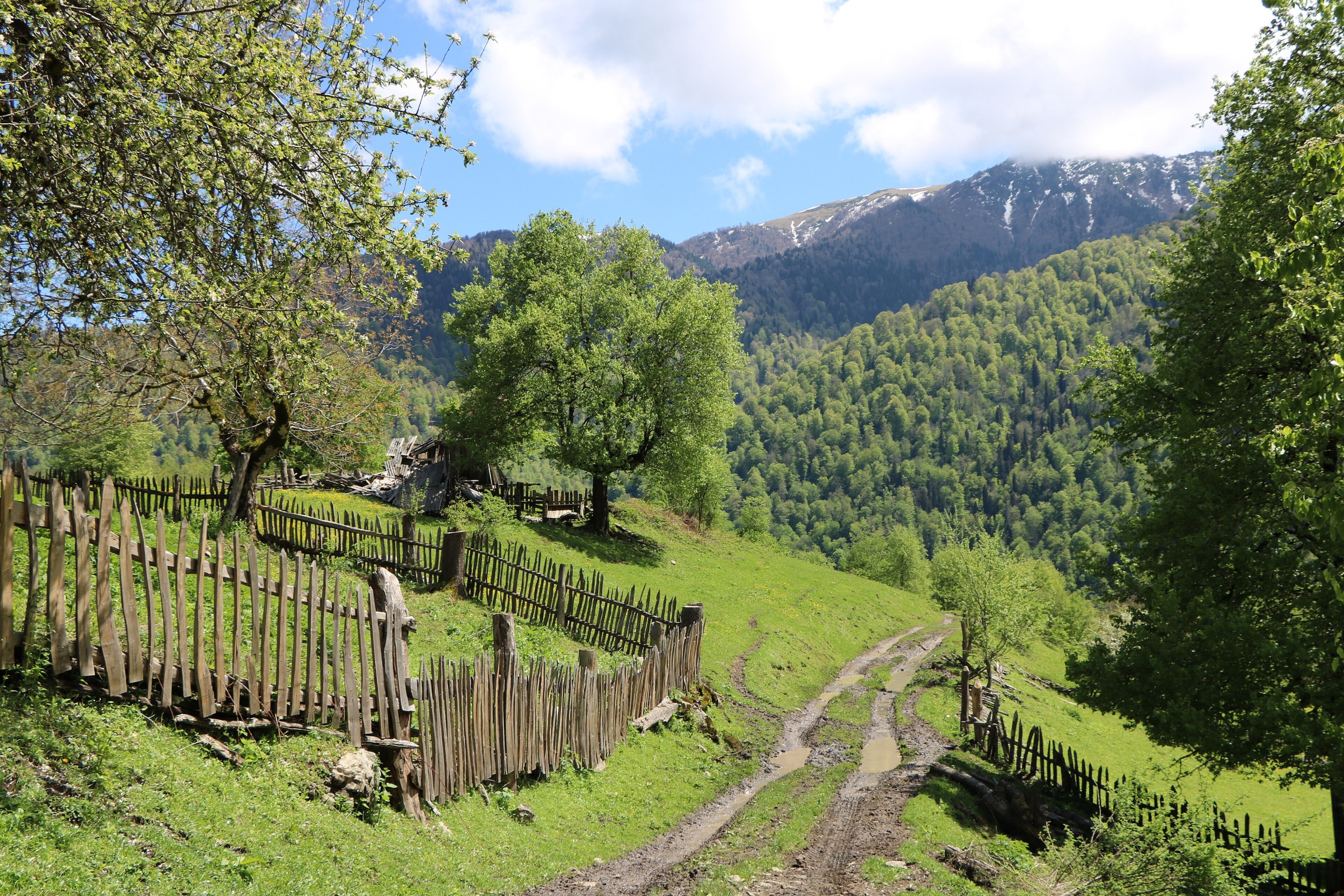

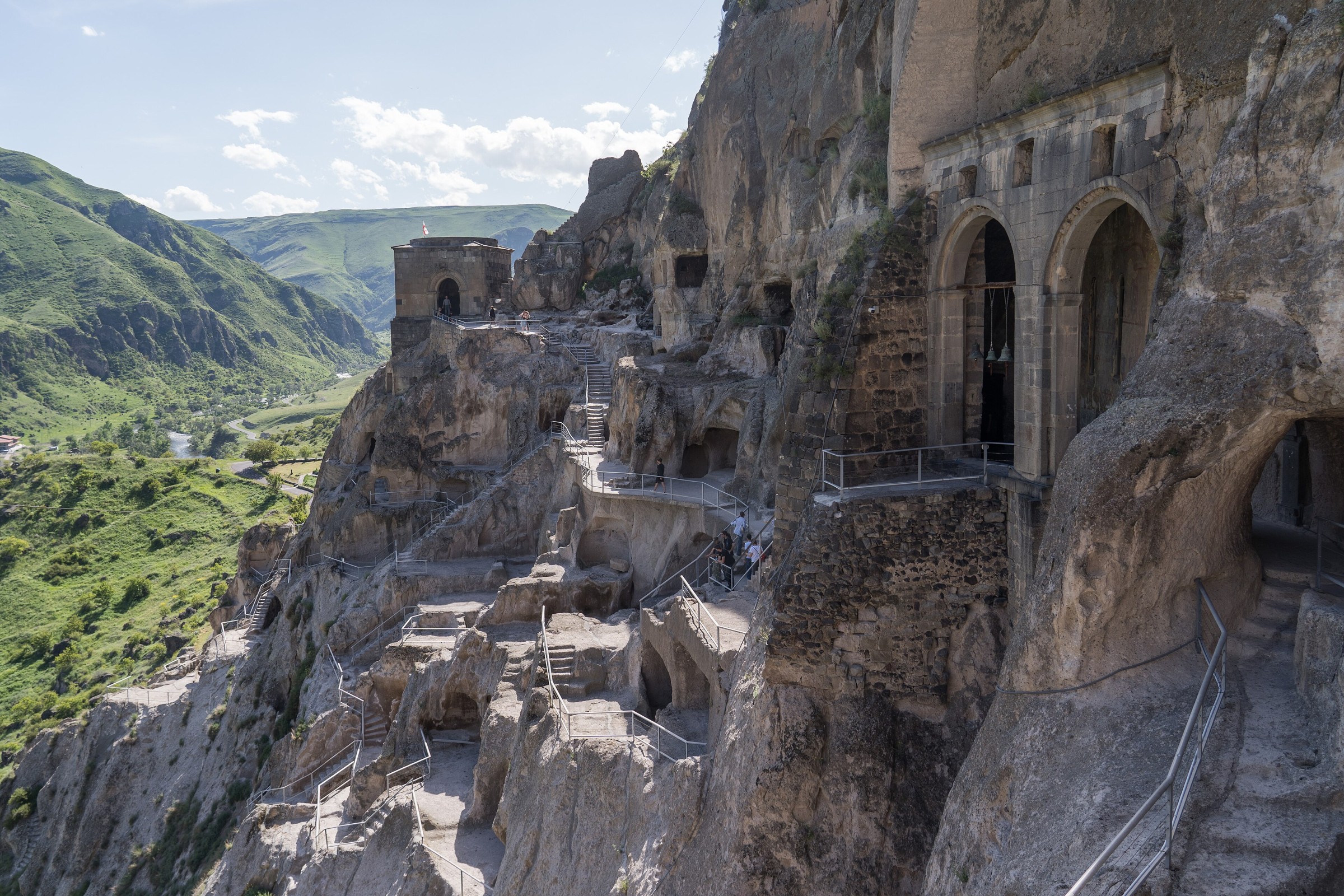
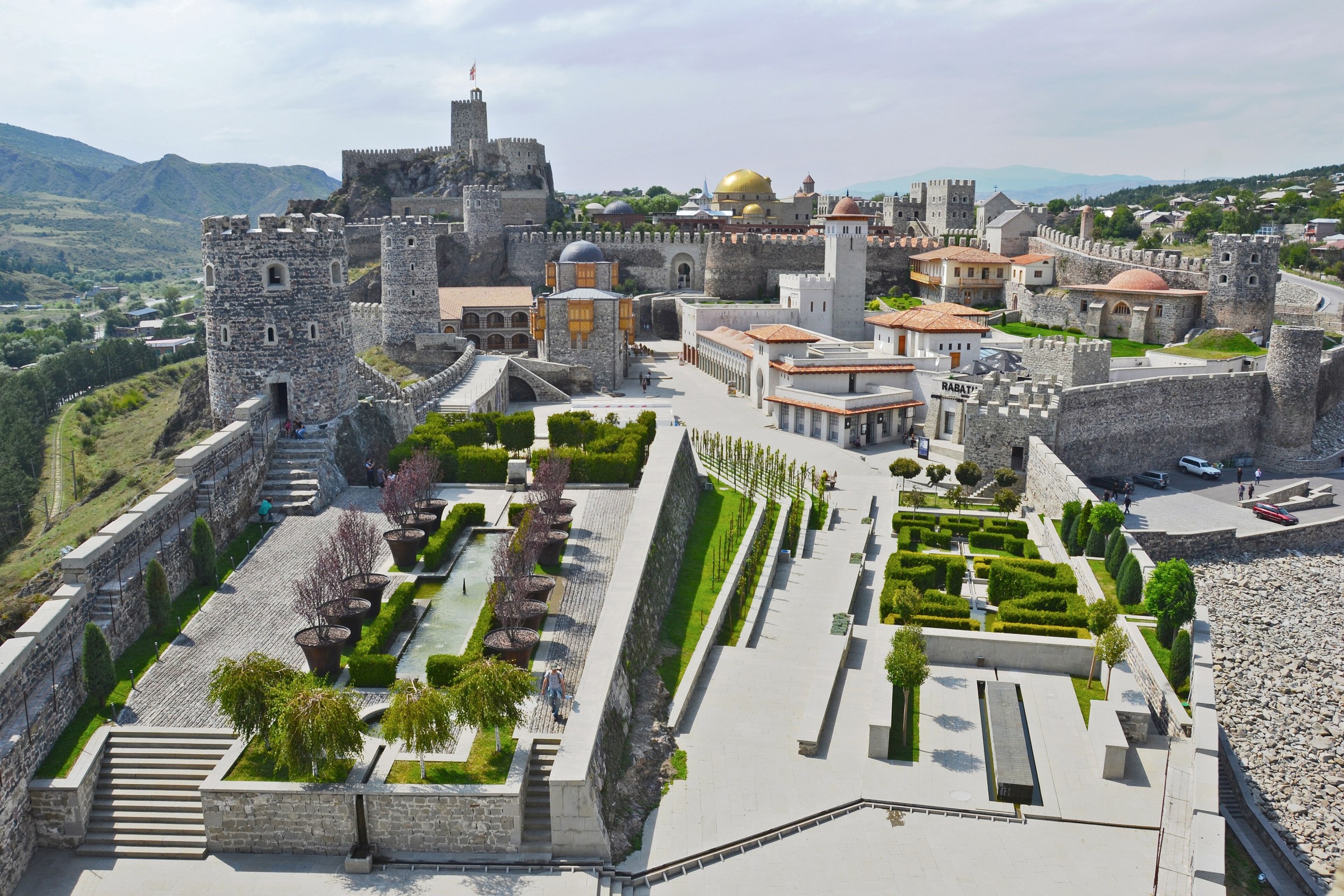
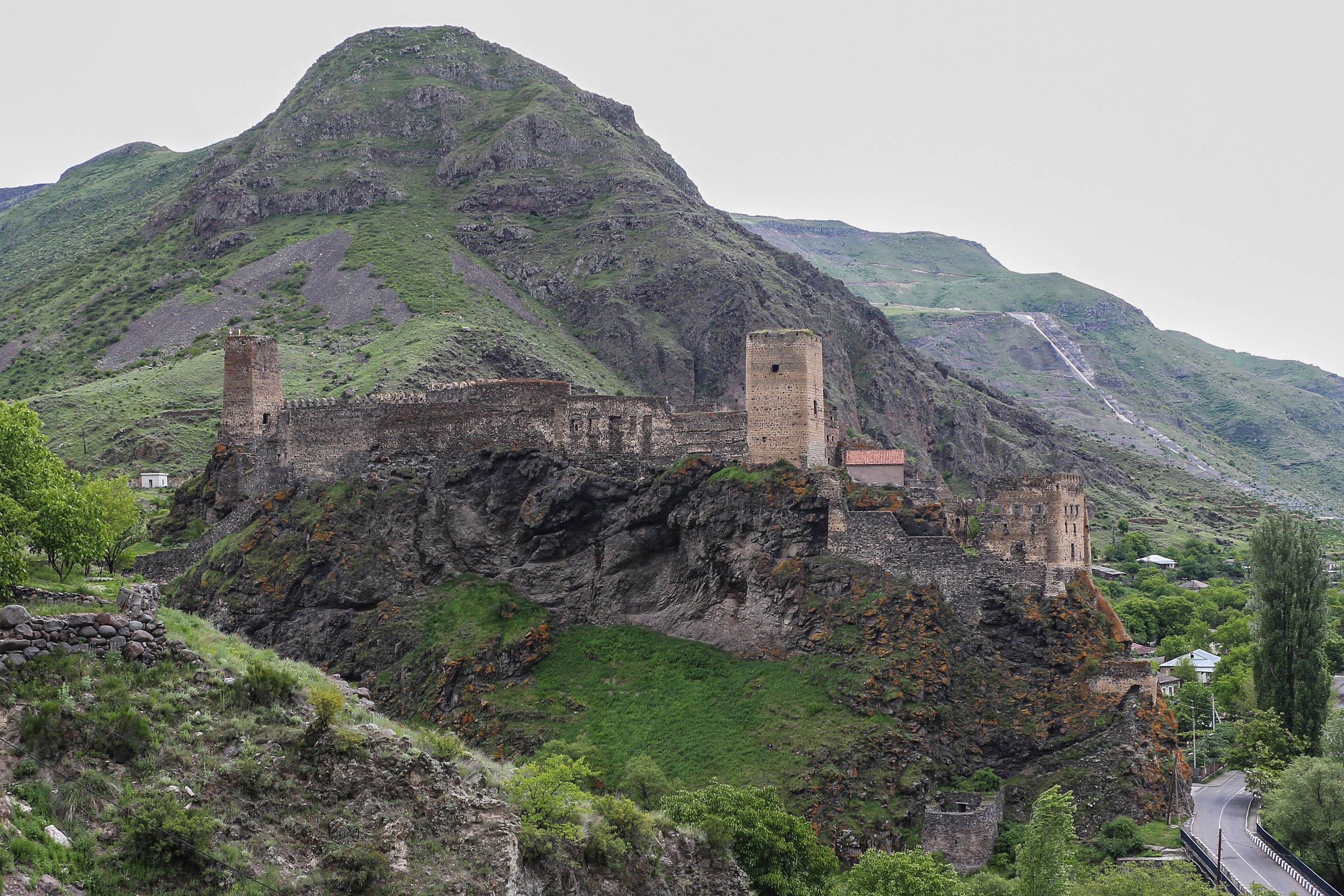
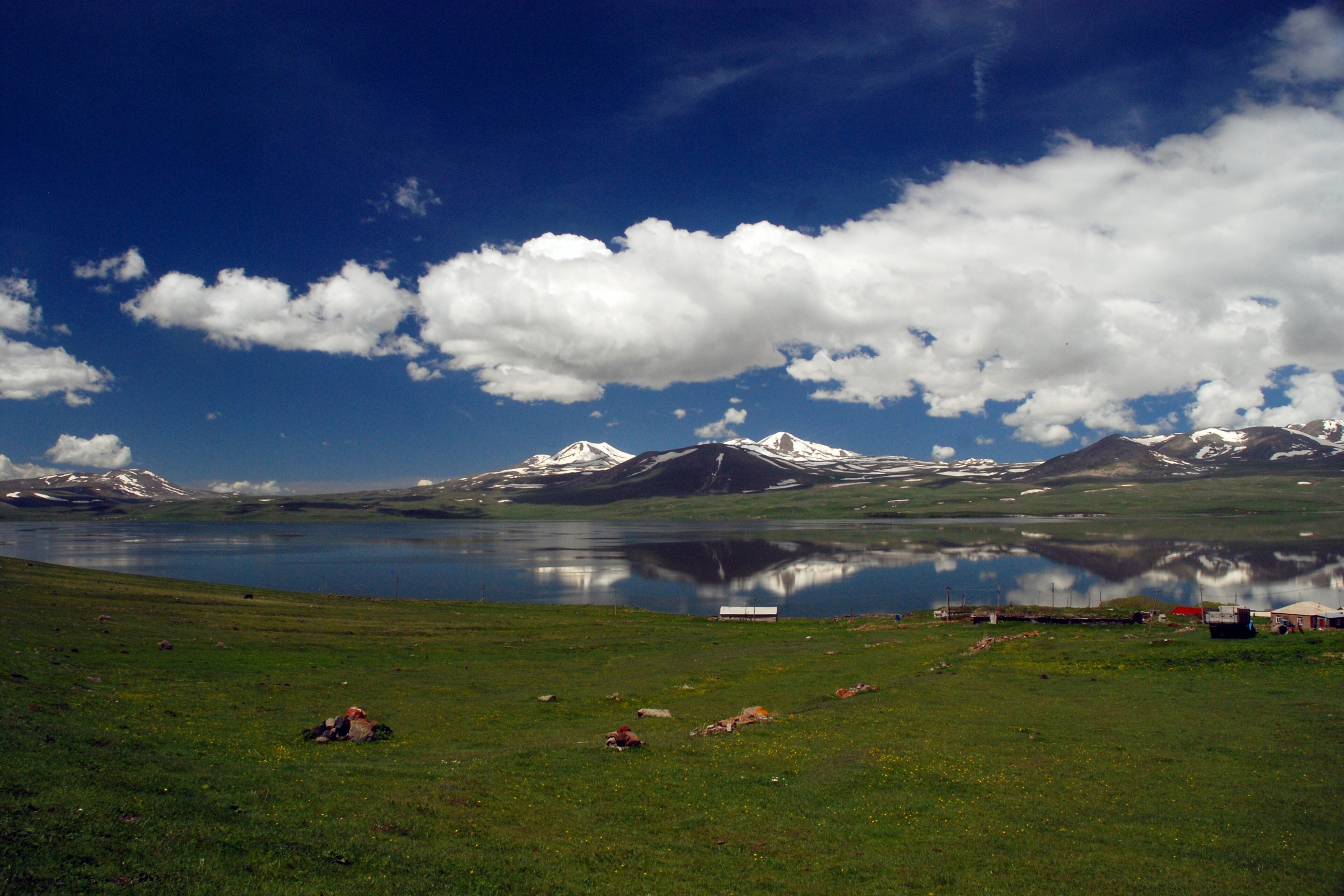
Photo: This work is created by George Melashvili. You can redistribute it or modify it under the terms of the terms of Cc-by-sa-3.0 (See below) · CC BY-SA 4.0; Alexkom000 · CC BY 4.0; Alexkom000 · CC BY 4.0 · Wikimedia Commons
What's included
- Meal
- Airtickets
- Transfer
- Museum Tickets
- Guide service
- Travel insurance
- Concert tickets
- Hand Luggage
- Checked-in Bag
- სასტუმროში განთავსება
About the tour
one day tour
Borjomi is a resort town in south-central Georgia with a population of 10,546. It is situated at the
confluence of the rivers Mtkvari, Borjomula and Gujaretistskali,on the eastern edge of the Borjomi-
Kharagauli National Park. The town is famous for its mineral waterindustry (which is the number one
export of Georgia), the Romanov summer palace in Likani, and the World Wide Fund for Nature-
site Borjomi-Kharagauli National Park. it is a frequent destination for people with health problems.
Borjomi is also home to the most extensive ecologically-themed amusement park in the Caucasus.
Rabati castle-historical castle in Akhaltsikhe, in the south part of Georgia. According
to The Georgian Chronicles the city was established in the 9th century by Guaram Mampal, son of
the King of Tao. From the 13th to the end of 14th centuries it was the capital city of Samtskhe-
Saatabago, ruled by the Georgian princely (mtavari) family. in 1590, the whole territory of
Samtskhe-Saatabago went under the rule of Ottoman Empire. Turks Mostly used to build defensive
edifices. In 1752 first mosque was built in Rabati. After the Treaty of Adrianople in 1829, the
Ottomans yielded the part of Akhaltiske Region.
Khertvisi Fortress-it is one of the oldest fortresses in Georgia. It is located in Southern Georgia,
in Meskheti region. Khertvisi fortress is situated on the high rocky hill in the narrow canyon at the
confluence of the Mtkvari and Paravani Rivers. It is listed as World Heritage Site by UNESCO on 27
was first build in the 2nd century BC. The church was built in 985, and the present walls build in
1354. In the 13th century Mongolsdestroyed it and until the 15th century it lost its power. In the 15th
century it was owned by Meskheti landlords from Jakeli family. In the 16th century the southern
region of Georgia was invaded by Turks. During next 300 years they have owned Khertvisi too.
Vardzia is a cave monastery site in southern Georgia, excavated from the slopes of the Erusheti
Mountain on the left bank of the Mtkvari (Kura) River. The main period of construction was the
second half of the 12 th century. The caves stretch along the cliff for some five hundred metres and in
up to nineteen tiers. The Church of the Dormition, dating to the 1180s during the Golden
Age of Tamar and Rustaveli, has an important series of wall paintings. The site was largely
abandoned after the Ottoman takeover in the 16 th century. Now part of a state heritage reserve, the
extended area of Vardzia-Khertvisi has been submitted for future inscription on the UNESCO World
Heritage List. Five monks still live in this mountain. Every morning at seven they ring the bell in the
high arch.
price includes :
1) comfortable car service
2) qualified guides service
3) health insuranse
4) free SIM card
5) museum tickets
5)1 bottle water
price
Samtskhe-Javakheti — the tours we offer
A Samtskhe-Javakheti tour usually takes two days: transport from Tbilisi, a guide at Vardzia and Rabati, and a night in Borjomi or Akhaltsikhe. In winter we offer Bakuriani packages with hotels; we will plan the route around your dates.
When to go
Summer and September are best: 25–28° in Borjomi and Akhaltsikhe, while nights on the Javakheti plateau drop to 10–12°.
In October the Borjomi forests turn yellow and Vardzia is quieter.
Winter is ski season in Bakuriani (usually late December to March); Javakheti freezes down to −15° and roads can be icy.
What to see
- Vardzia — a 12th-century cave city and monastery from Queen Tamar's time, with hundreds of chambers
- Rabati — Akhaltsikhe's restored fortress with a mosque, a church and the Samtskhe museum
- Borjomi — the mineral water park, the Romanov palace in Likani and trails in Borjomi-Kharagauli National Park
- Bakuriani — a ski resort in winter and pine forests at 1,700 m in summer
- Sapara — a monastery on a wooded hillside, about 12 km from Akhaltsikhe
- Khertvisi — a fortress at the meeting of two rivers on the road to Vardzia
Getting there
By car, Borjomi is about 160 km from Tbilisi (2–2.5 hours), Akhaltsikhe 205 km (about 3 hours) and Vardzia up to 4 hours. Minibuses to Borjomi and Akhaltsikhe leave from Didube station; a narrow-gauge train, the Kukushka, runs from Borjomi to Bakuriani.
Practical information
Road: take the highway from Tbilisi to Khashuri, then continue via Borjomi and Akhaltsikhe to Vardzia; Javakheti can also be reached via Tetritskaro and Tsalka.
Where to stay: hotels and sanatoriums in Borjomi and Bakuriani; guesthouses and small hotels in Akhaltsikhe and near Vardzia.
What to pack: a warm jacket even in summer if you are heading to the Javakheti lakes; comfortable shoes for Vardzia's stairs and tunnels.
Connectivity: internet is good in towns but patchy on the plateau and in gorges.