

The Tolerant Tbilisi
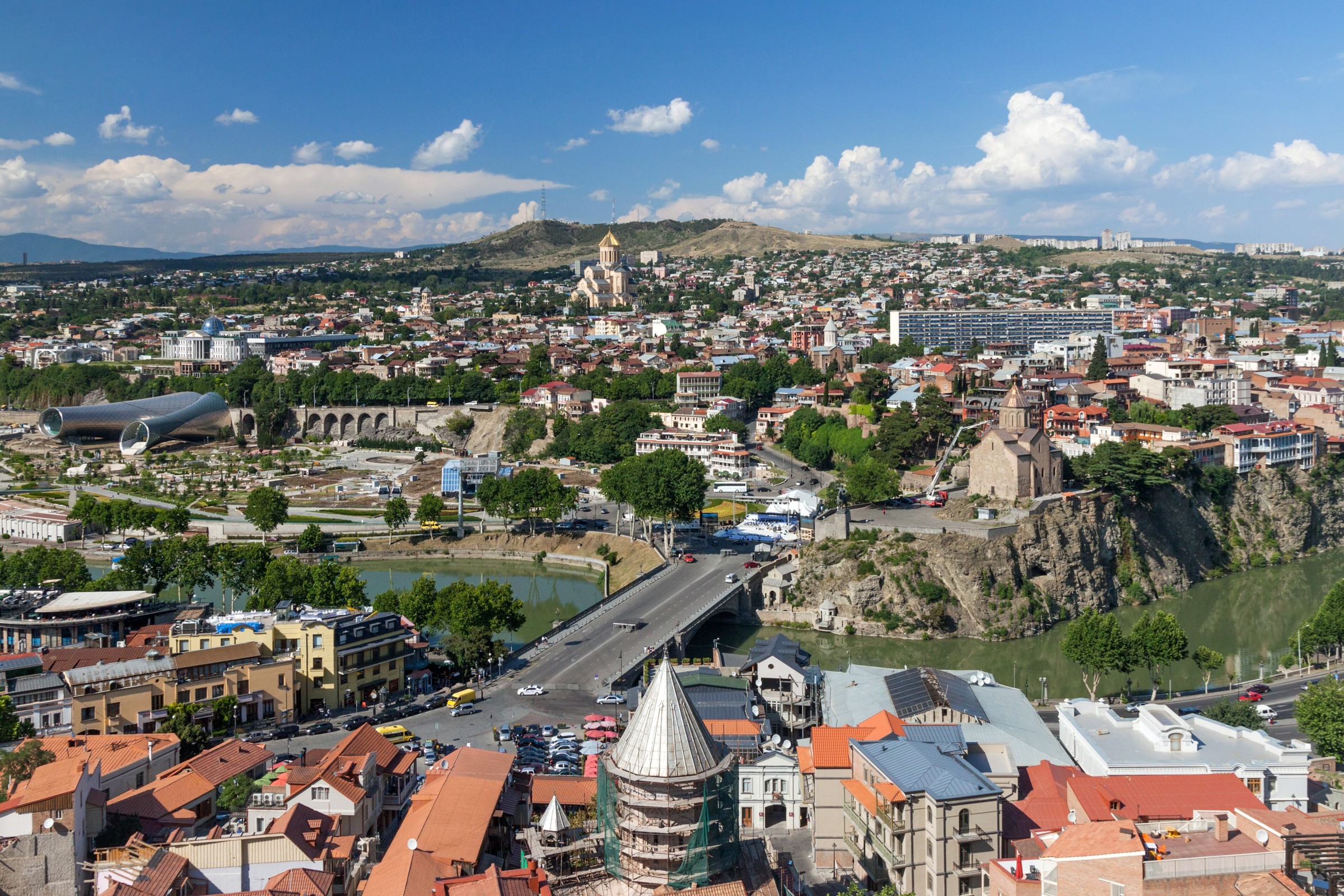
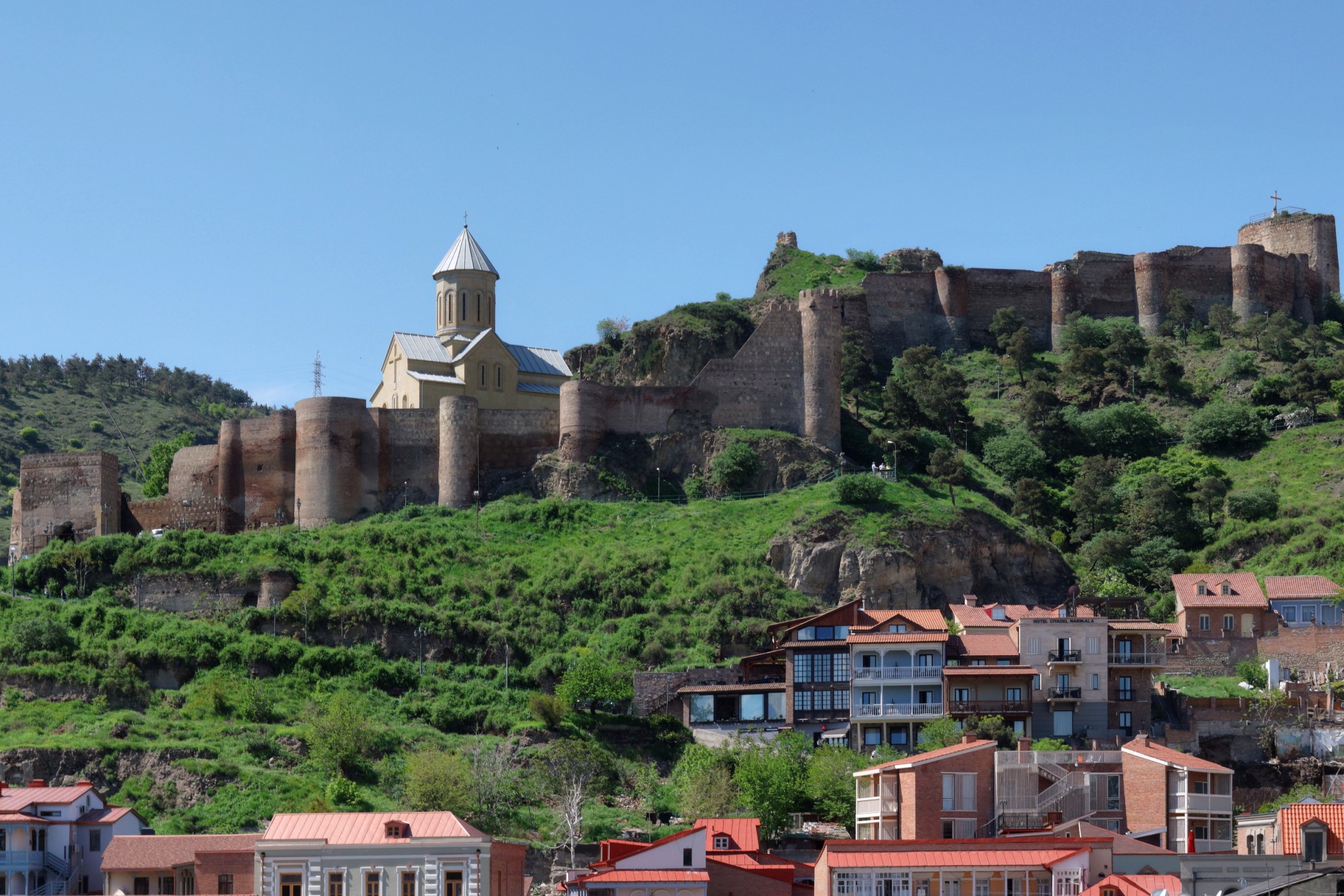
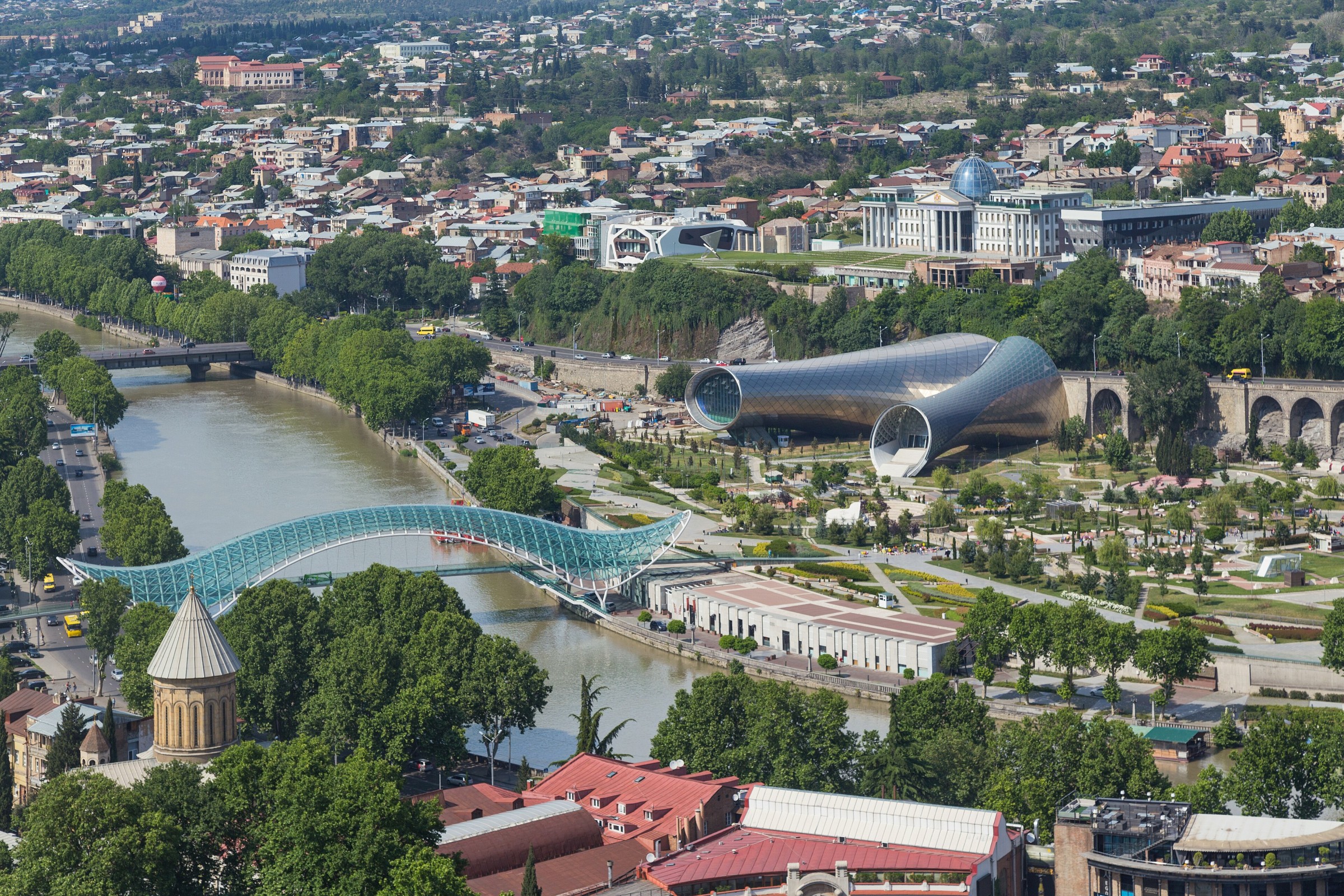
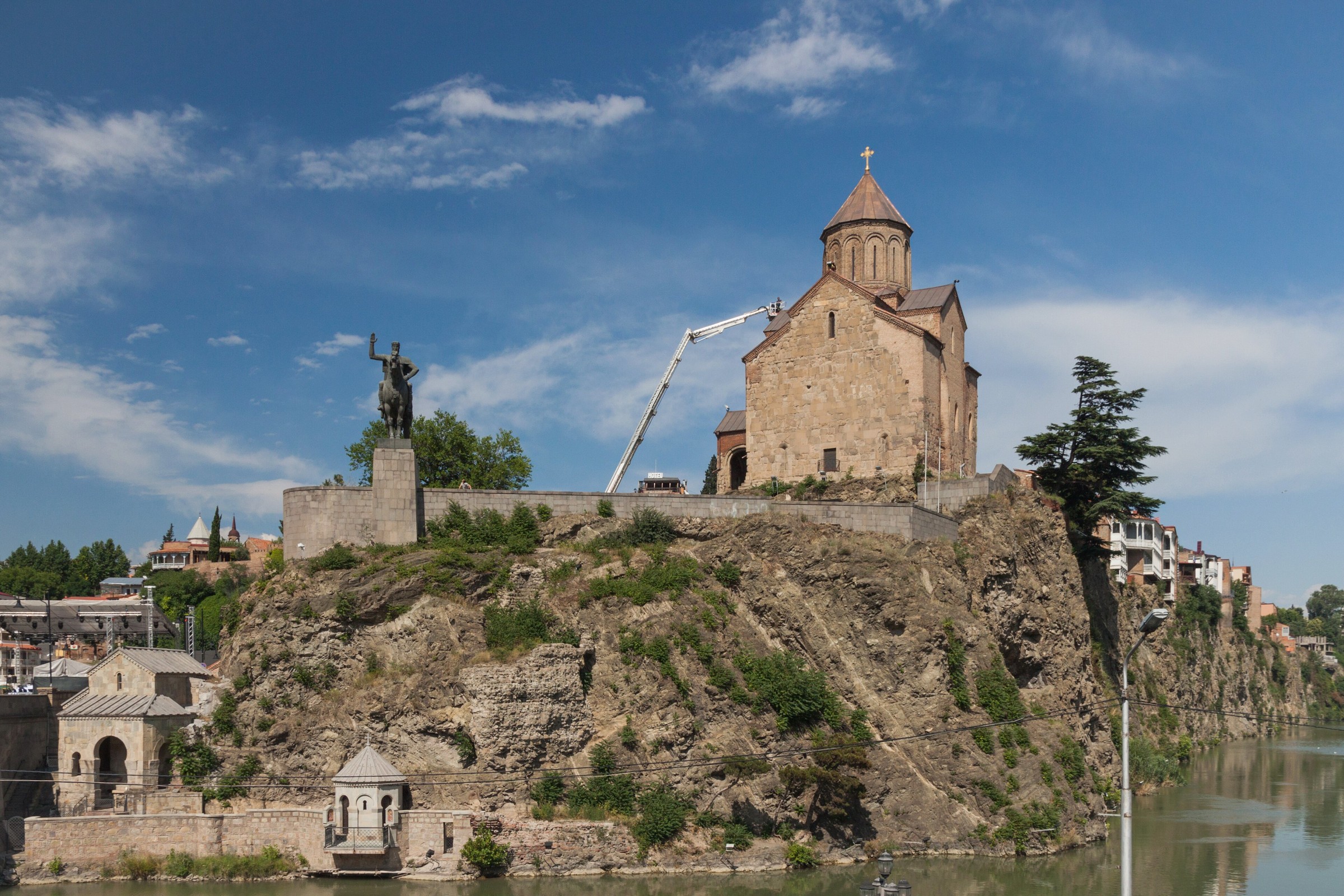
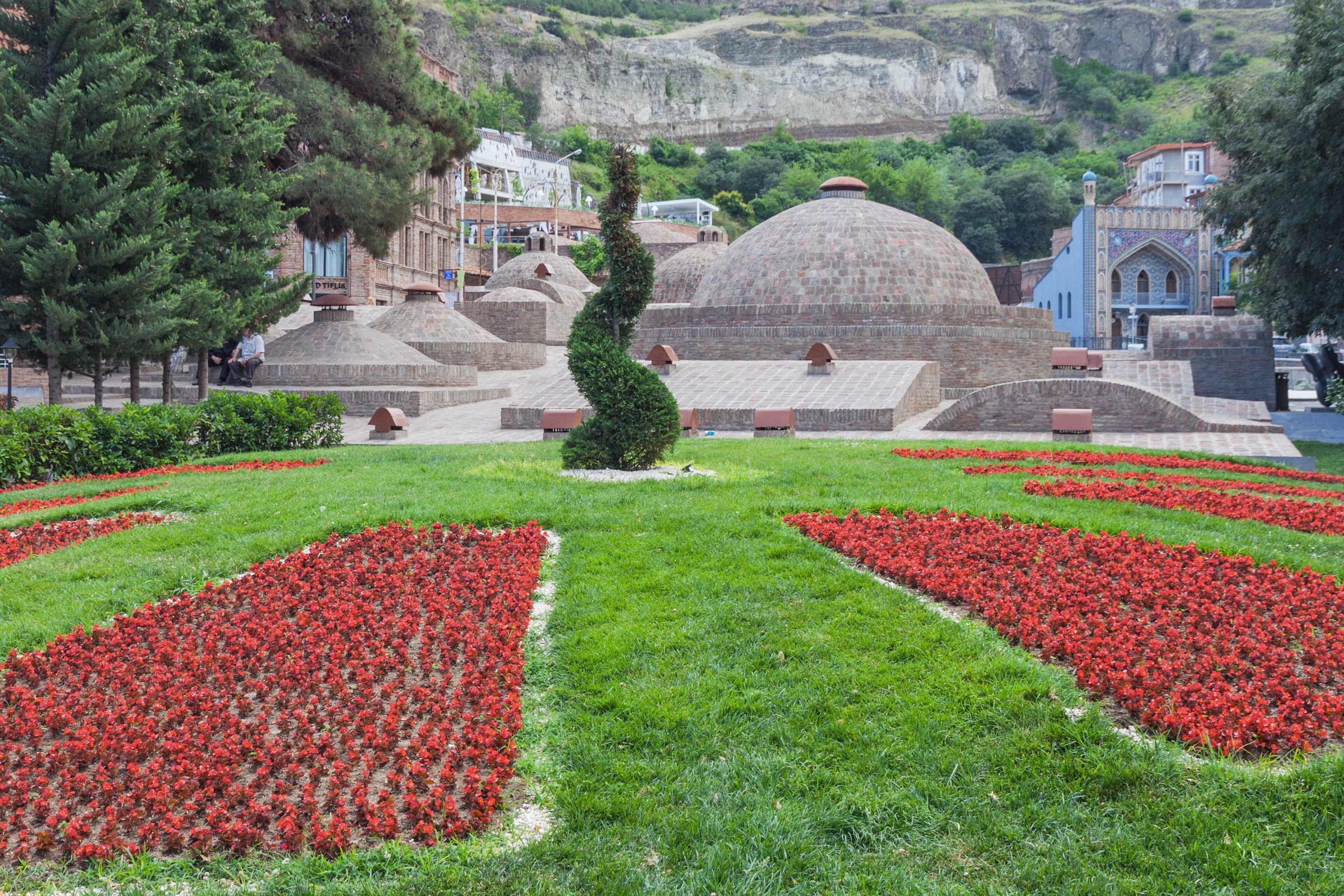

Photo: Marcin Konsek · CC BY-SA 4.0; Alexxx1979 · CC BY-SA 4.0; Marcin Konsek · CC BY-SA 4.0 · Wikimedia Commons
What's included
- Guide service
- Meal
- Airtickets
- Transfer
- Museum Tickets
- Travel insurance
- Concert tickets
- Hand Luggage
- Checked-in Bag
- სასტუმროში განთავსება
About the tour
“You can live and pray in Georgia not only not losing your faith and beliefs but also safely and open-mindedly expressing them” - wrote a famous French traveller - Jean Shardin back in the 14th century.
Tour Duration: 4 hours
Guide - Devid Khantadze
What’s in the program:
The tour looks into how population with different backgrounds lived and worked together in old Tiflis, what rules applied, how were the people of different religions, languages and cultures evolving with the city, how they turned into a unified culture and what has the modern living inherited from them. We’ll explain what it meant to be a citizen in old Tiflis and who were those townspeople, who were “Kinto” and “Karachogheli”, also what type of ethnic and religious centers were present at that time.
English tour is available on request !
Tbilisi — the tours we offer
In Tbilisi we offer guided walks through the old town, Abanotubani and Narikala, as well as weekend packages with a hotel for visitors from the regions. We can add a day trip to Mtskheta or Kakheti and fit everything to your dates.
When to go
April–May and September–October are best: 18–25°, ideal for walking around the old town and Mtatsminda. Tbilisoba, a street festival with young wine and mtsvadi, takes place in October.
July–August: 33–38°, the streets are hot; spend the day in museums and walk in the evening, or head to Turtle Lake and the Tbilisi Sea.
Winter is mild with rare snow; in December there are New Year markets on Rustaveli Avenue and in the centre.
What to see
- Old Tbilisi and Abanotubani — sulphur baths under brick domes, the Leghvtakhevi waterfall and Meidan square
- Narikala — a fortress recorded since the 4th century, reached by cable car from Rike Park; next to it, Mother of Georgia and the Botanical Garden
- Mtatsminda — the funicular, an amusement park and the best view of the city; below, Mamadaviti church and the Pantheon
- Rustaveli Avenue — the opera house, parliament and the National Museum with its collection of Colchian gold
- Sololaki — 19th-century houses with painted entrance halls, wooden balconies and inner courtyards
- Dry Bridge market — antiques, Soviet memorabilia and paintings; busiest at weekends
Getting there
From Batumi it is about 5 hours by Stadler train, or up to 360 km and under 5 hours by car on the new Rikoti road; from Kutaisi, 230 km (under 3 hours). Tbilisi airport is 17 km from the centre: 40–60 minutes on bus 337, 20–30 minutes by taxi.
Practical information
Getting around: two metro lines, buses and minibuses on one card (Metromoney) or a bank card; app-based taxis are cheap.
Where to stay: Old Tbilisi, Sololaki and Vera are within walking distance of everything; Vake is quieter.
What to pack: comfortable shoes — the old town is hilly and cobbled; in summer, water and a hat.
Connectivity: internet works well everywhere, and most cafés have free Wi-Fi.