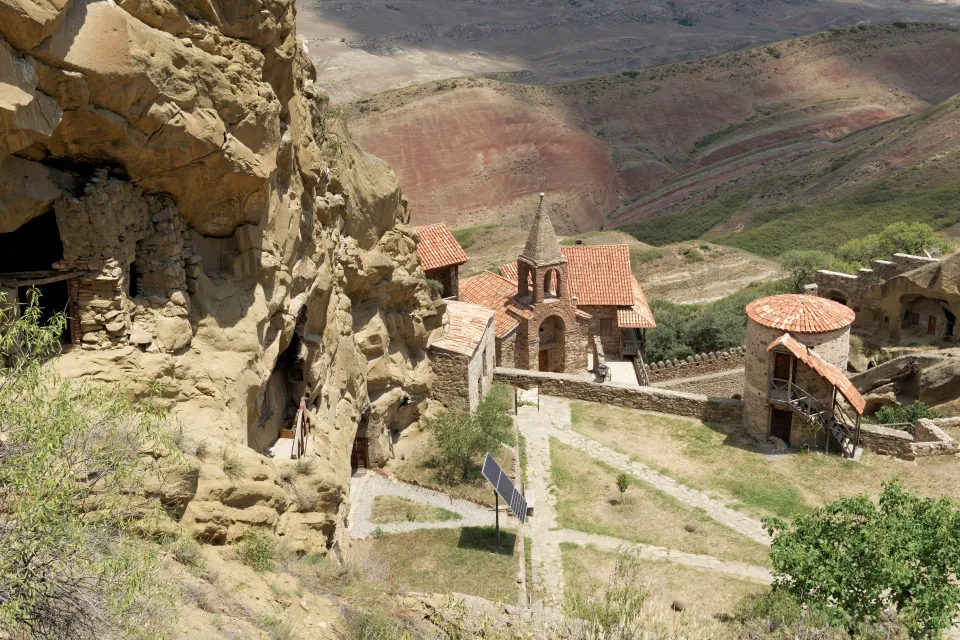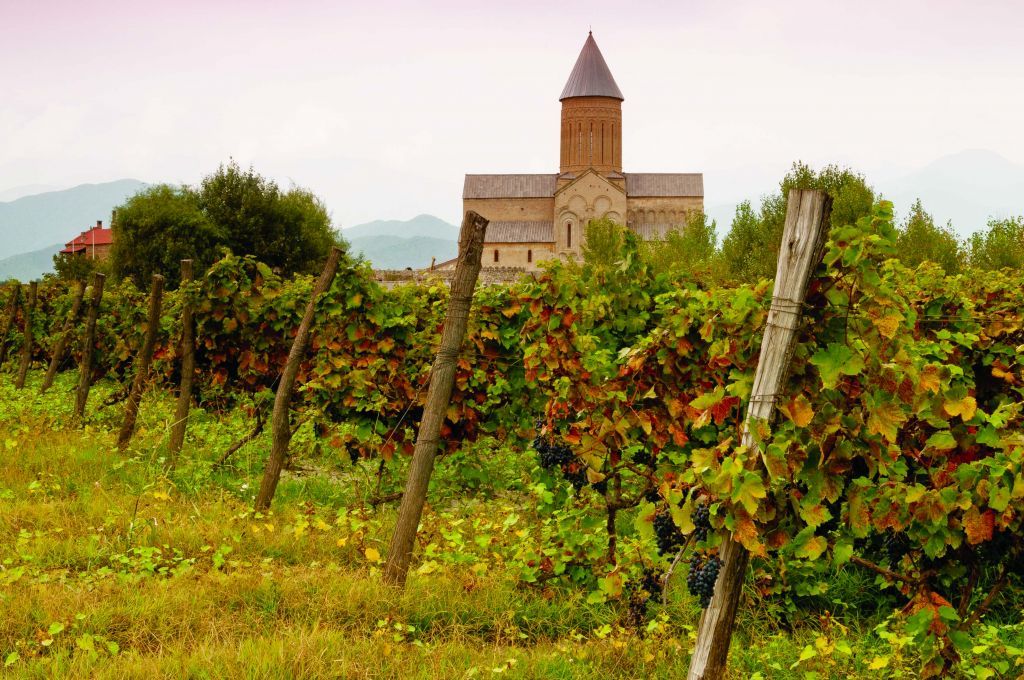

khornabuji castle, khirsi monastery,ozaani church
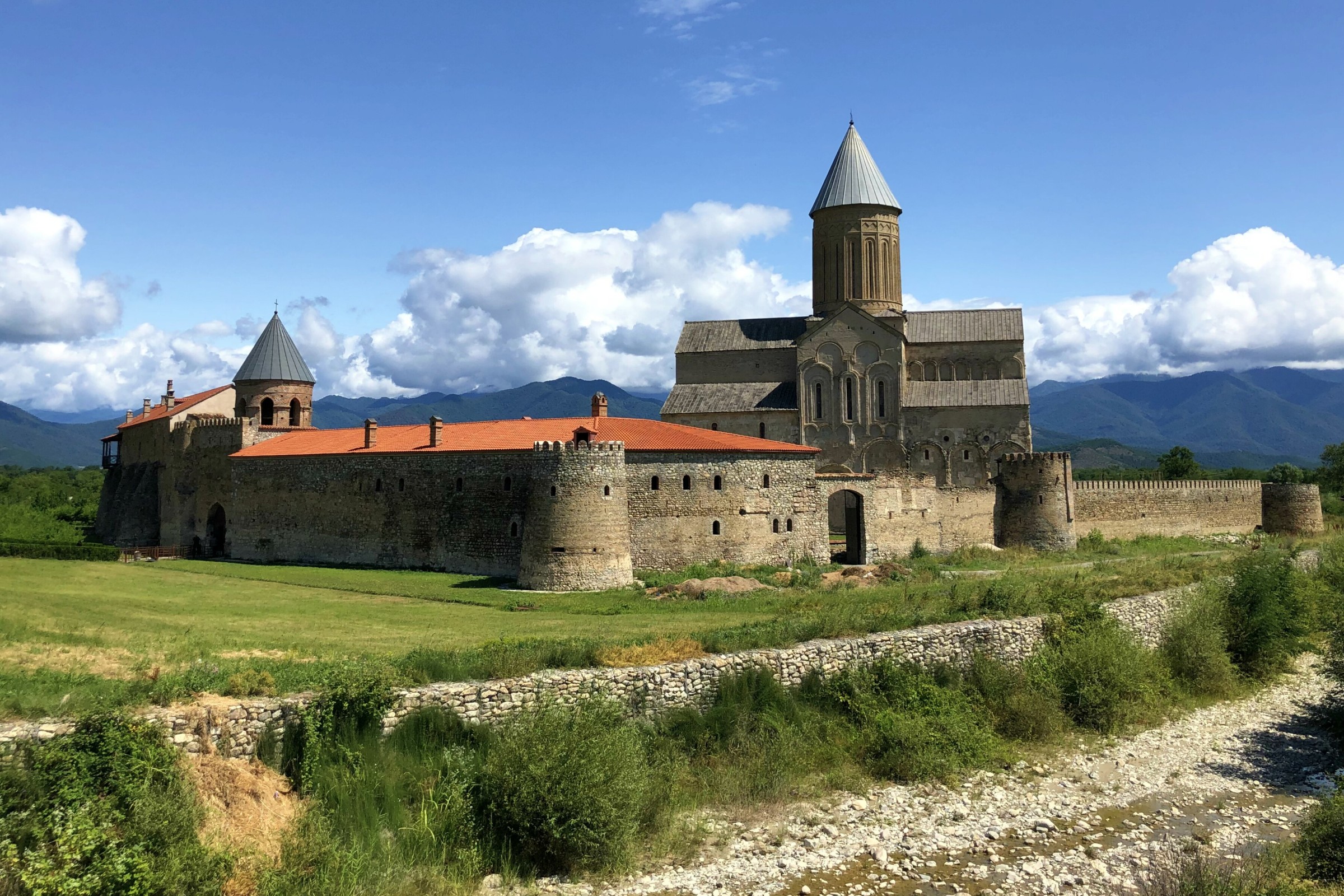
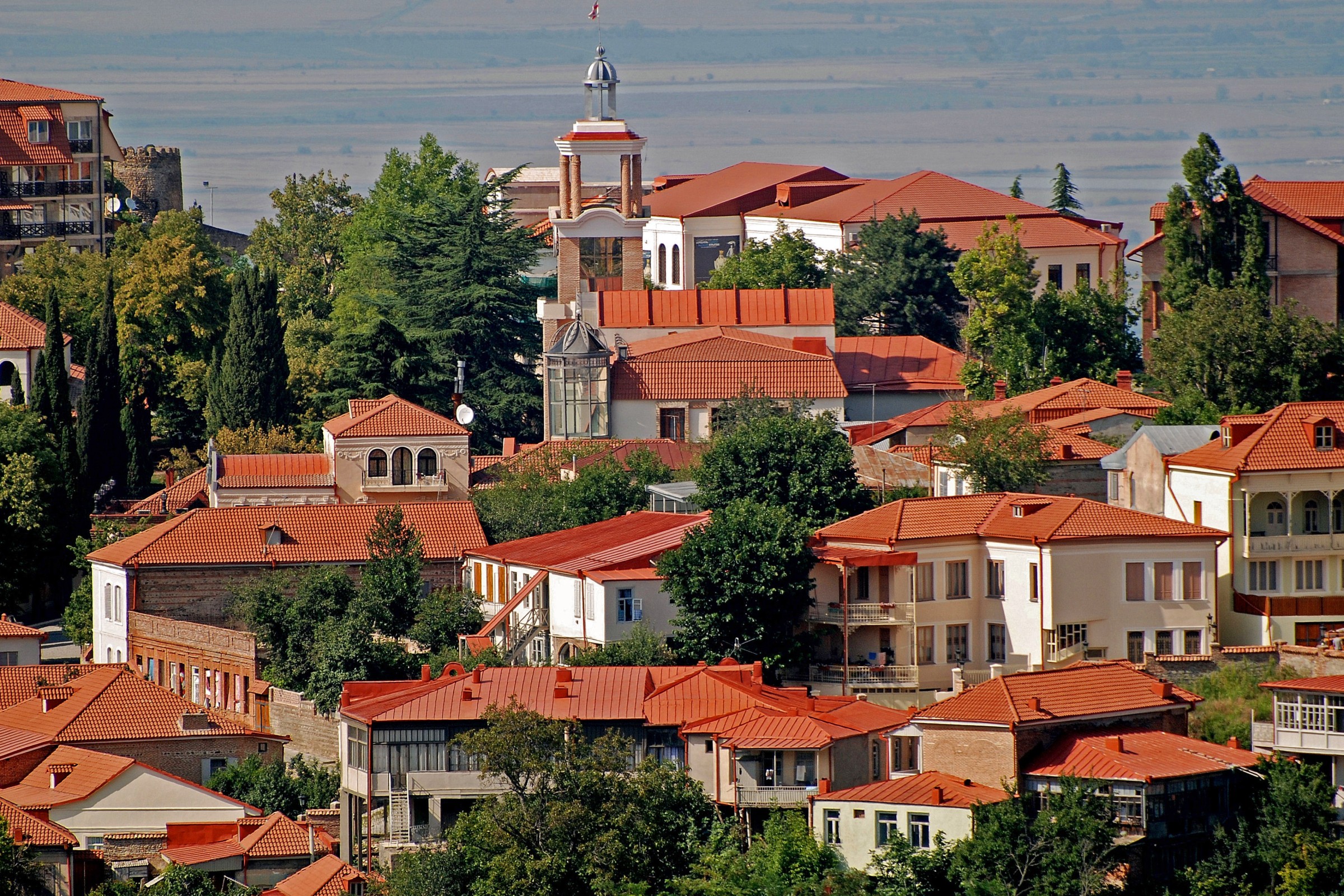
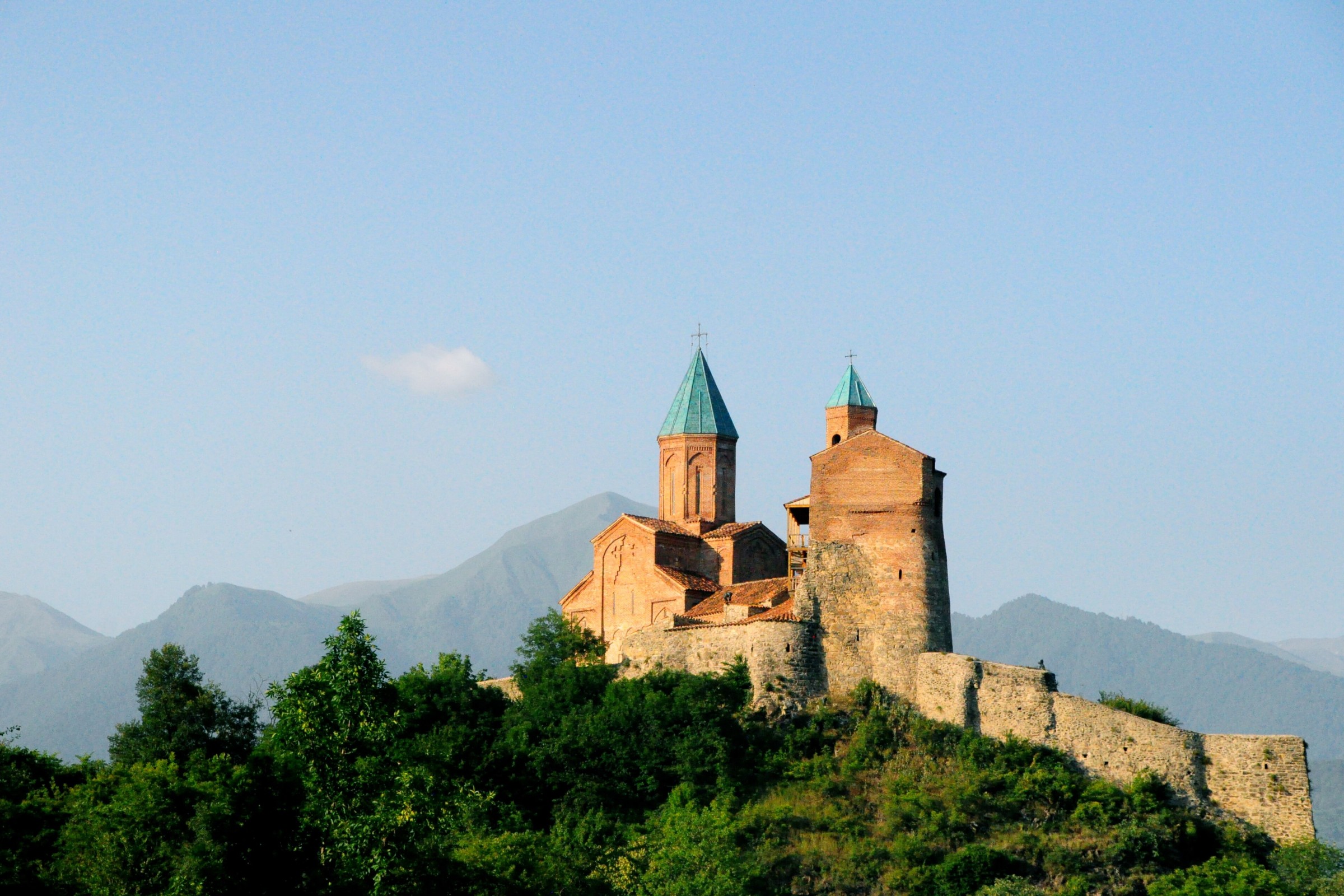
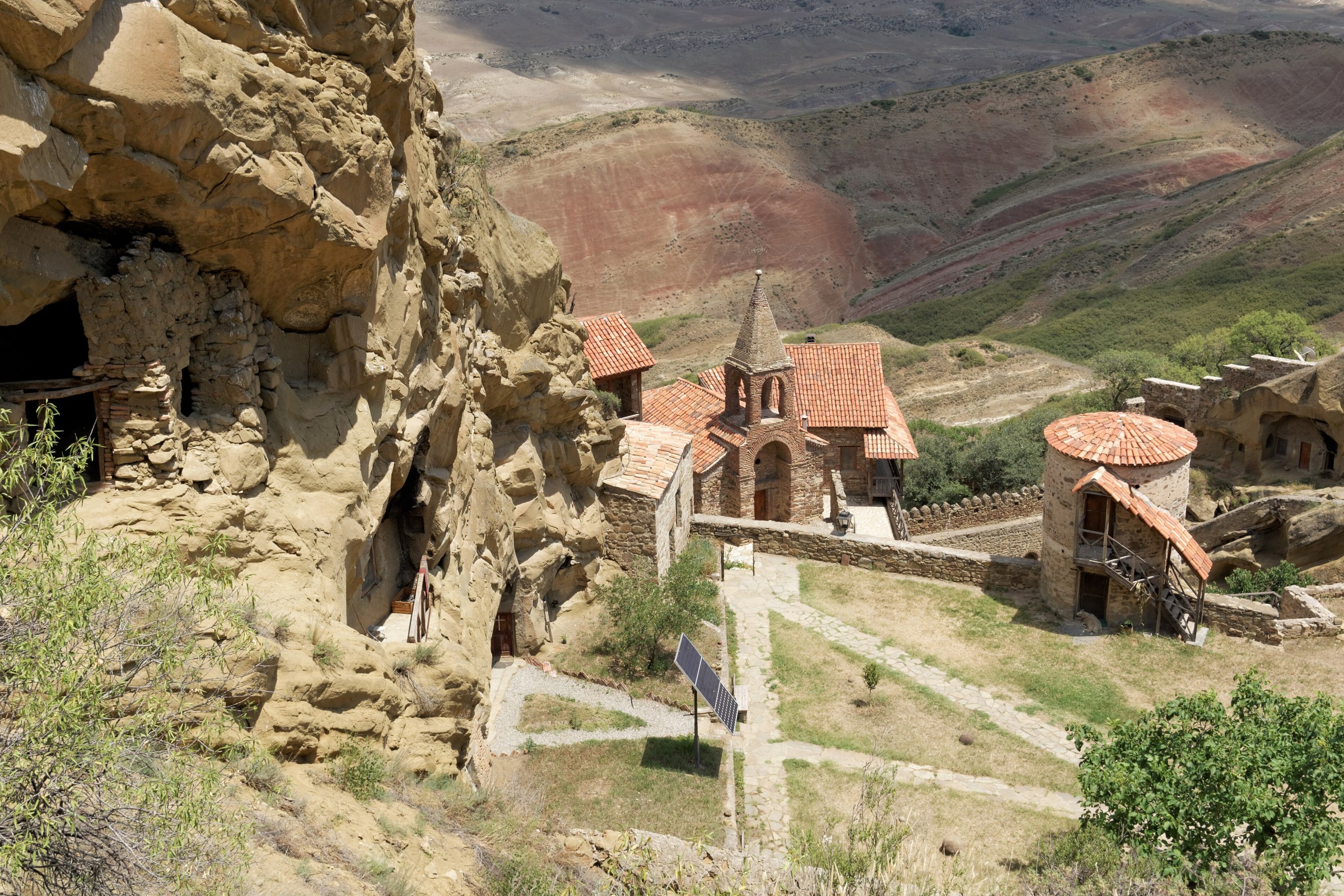
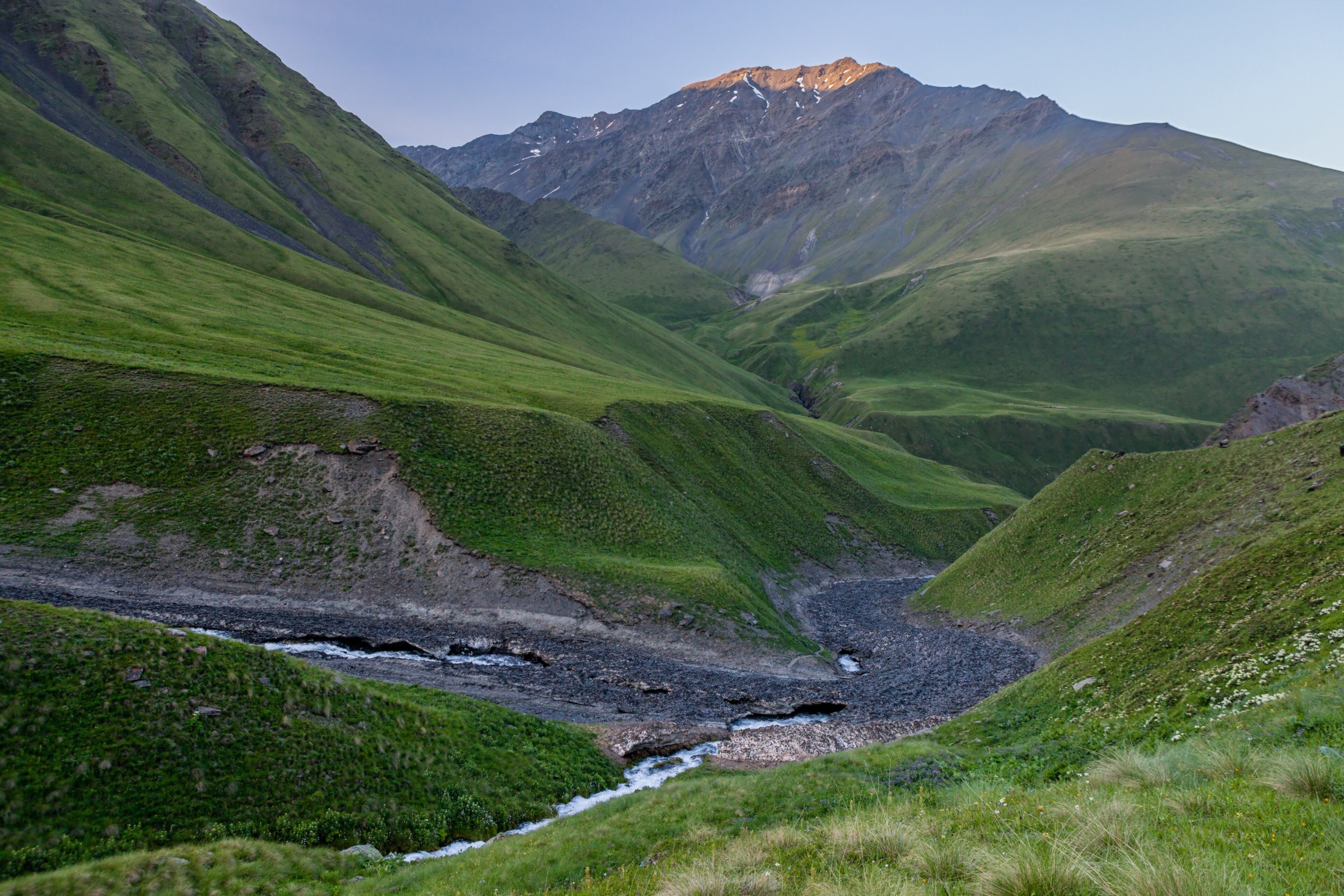
Photo: Max Benidze · CC BY-SA 2.0; George Nikoladze · Public domain; Sarah Murray from South Bend, IN, USA · CC BY-SA 2.0 · Wikimedia Commons
What's included
- Meal
- Airtickets
- Transfer
- Museum Tickets
- Guide service
- Travel insurance
- Concert tickets
- Hand Luggage
- Checked-in Bag
- სასტუმროში განთავსება
About the tour
Discover new places at Kakheti in Georgia!
We provide:
*Khornabuji castle
*Khirsis monastery
*Ozaani monastery
*Elias monastery
*Transfer
*Englis-speaking guides
*photography
*Picnic
For reservation please contact us:
Khornabuji castle also sometimes known as the Castle of Queen Tamara, is an ancient castle in the eastern part of . It is located approximately two miles / 3 kilometers north of in the region of . The castle's ruined remains are sited on the imposing . It was probably constructed, originally, at the end of the 1st millennium BC, at which time it was the only fortification controlling the valleys of the and rivers.
Archeology conducted during the 1970s in the area uncovered extensive evidence of the settlement that flourished in the flat land beneath the castle during and before the medieval period. The first surviving written records of it date back to the reign of during the fifth century. At that time Khornabuji was one of the largest settlements in the region. According to the chronicle it was one of several places to which Vakhtang appointed a bishop after he had built the at .
Late in the fifth or early during the sixth century Khornabuji was conquered by the . It appears the surrounding town was destroyed, though something of the castle survived and over the following centuries the town again appeared on the area of flat ground to the south of the castle rock. During the thirteenth century, according to some sources, the castle was rebuilt on the instructions of , although others suggest that references to Queen Tamara building a castle may have referred to a castle built at another site. According to one interpretation of the sources the Khornabuji township was destroyed by under around 1264, and survivors relocated to , after which there was no further significant settlement outside the castle walls. An alternative view is that it was during the seventeenth century the settlement fell into ruin following the invasion undertaken from by . The castle was later rebuilt under of , but the surrounding township was not rebuilt
Kakheti — the tours we offer
A Kakheti tour includes transport from Tbilisi, a guide, a wine tasting at a marani and, for longer trips, overnight stays in Telavi or Sighnaghi. We can plan a day trip or a multi-day route around your dates.
When to go
May–June (22–28°, green valley, snow on the Caucasus) and September–October are best — the latter is rtveli, the grape harvest, when wineries press grapes and pour young wine.
July–August: hot in the Alazani Valley, 32–35°; head for the forests of Lagodekhi and Kvareli.
Winter is quiet and cheaper, wineries and hotels stay open, but the Gombori pass can have snow and ice.
What to see
- Sighnaghi — town walls with towers, tiled roofs and views over the Alazani Valley
- Bodbe Monastery — the grave of St Nino, 2 km from Sighnaghi
- Alaverdi — an 11th-century cathedral with a monastery winery
- Gremi — a 16th-century royal citadel with the Church of the Archangels
- Tsinandali — the Chavchavadze palace museum, an English-style park and an old wine collection
- David Gareja — cave monasteries cut into rock in semi-desert near the Azerbaijani border
Getting there
By car, Telavi is about 95 km from Tbilisi via Gombori (1.5–2 hours) and Sighnaghi up to 110 km (about 2 hours). Minibuses to Telavi and Sighnaghi leave from Samgori (Isani) and Ortachala stations; the ride takes 2–2.5 hours.
Practical information
Road: two main routes from Tbilisi — over the Gombori pass (shorter but winding) and via the Sagarejo–Gurjaani highway (longer but straight).
Where to stay: guesthouses and hotels in Telavi and Sighnaghi; vineyard hotels in Kvareli and Tsinandali.
What to pack: a sun hat and sunscreen in summer; for monasteries, women need a headscarf and a long skirt or dress.
Connectivity: mobile internet works well in towns and most villages.